




Cure
Overview
Cure’s Power of X Summit, held on March 18–19, had a clear throughline: women’s health has moved from a long-standing thesis to a category with proof, traction, and capital behind it.
More than 300 investors, clinicians, researchers, and entrepreneurs gathered at Cure’s New York City campus last week for The Power of X Summit 2026, where two days of discussions made one thing clear: women’s health is moving beyond an overlooked category and into a defined, investable market.
Hosted by Cure in collaboration with Women's Health Horizons (WHH), the summit featured more than 60 speakers across sessions spanning capital formation, clinical innovation, reimbursement strategy, AI, wearable technology, and the policy landscape shaping women's health.
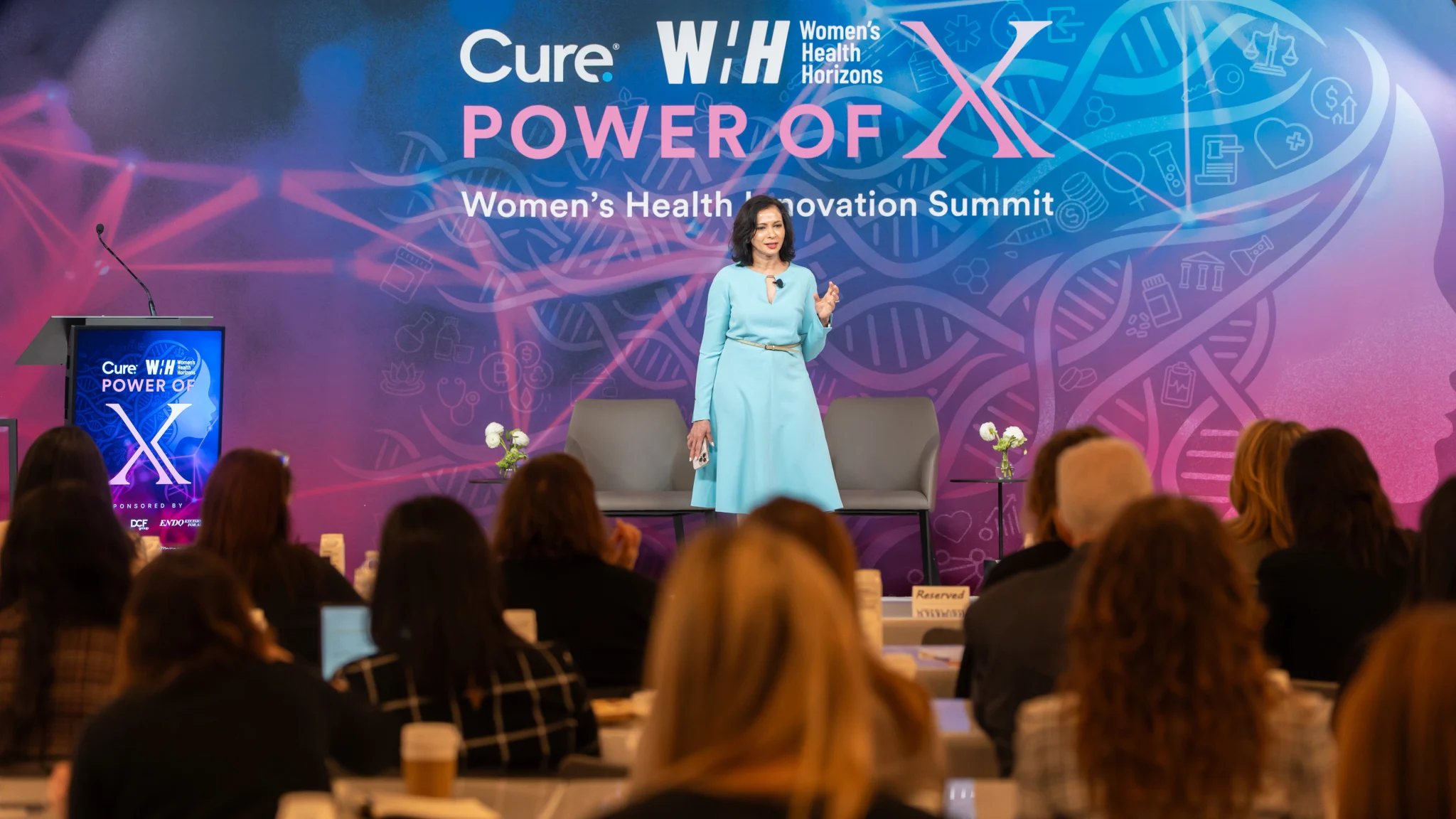
Cure CEO Seema Kumar and WHH CEO Jason Clark opened the summit by framing the event as more than a conference; it is a platform for aligning capital, corporate leadership, and entrepreneurial innovation to fund what works, scale what's proven, and deliver measurable impact for the health of women.
The Funding Landscape Is Shifting, and Fast
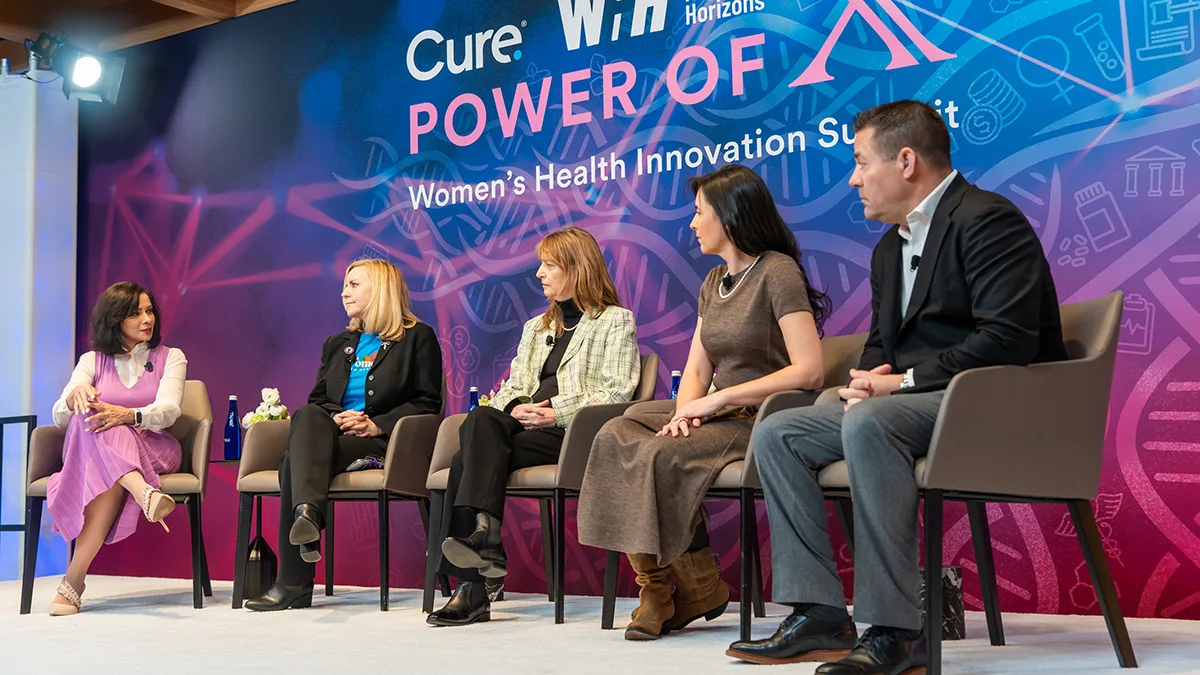
The opening Changemakers panel set the tone with data that underscored how far the sector has come. According to both the 2026 WHAM Investment Report and AOA Dx’s Follow the Exits Report, the women's health market has now generated over $100 billion in realized exit value, with nearly half of those exits occurring in just the last five years. Investment grew 55% in 2024, even as the broader healthcare venture market slowed. And an additional $360 billion globally, what researchers have termed a "ghost market," remains in conditions that disproportionately affect women but are dramatically underinvested.
Piraye Beim, PhD, founder of Celmatix Therapeutics, offered a candid account of the fundraising environment she navigated for over a decade. "Imagine when you get 15, 20, maybe 30 minutes with an investor and you spend most of that giving an anatomy lesson," Beim said. With the Celmatix exit now serving as proof of concept for returns in the space, Beim issued a challenge to venture firms: empower women as checkwriters. "The venture funds that are smart enough to actually empower the women check writers are going to have completely outsized returns."
Physician-Entrepreneurs Are Turning Clinical Gaps Into Companies
The Innovation in Women's Health panel, moderated by Suzanne Steinbaum, DO, Founder and CEO of Heart-Tech Health, brought together physician-founders who left clinical careers to address gaps they experienced firsthand. "That is one of the things that pushes all of us: We know what we need, and it's not there," Steinbaum said, a sentiment that resonated across the entire event. Dr. Sophia Yen, CEO and Co-Founder of Pandia Health, shared how a custom prescribing algorithm achieved 93% patient satisfaction with the first pill prescribed and 82% one-year retention, far exceeding industry standards.
Gender Differences Are the Next Wave of Opportunity
During the Investment Landscape panel, Michal Elovitz, MD, CEO of Nuttall Women's Health, argued that deep biology and sex-specific analysis represent the next wave of opportunity. "You can't do precision medicine if you haven't first looked at your data by sex," Elovitz said.
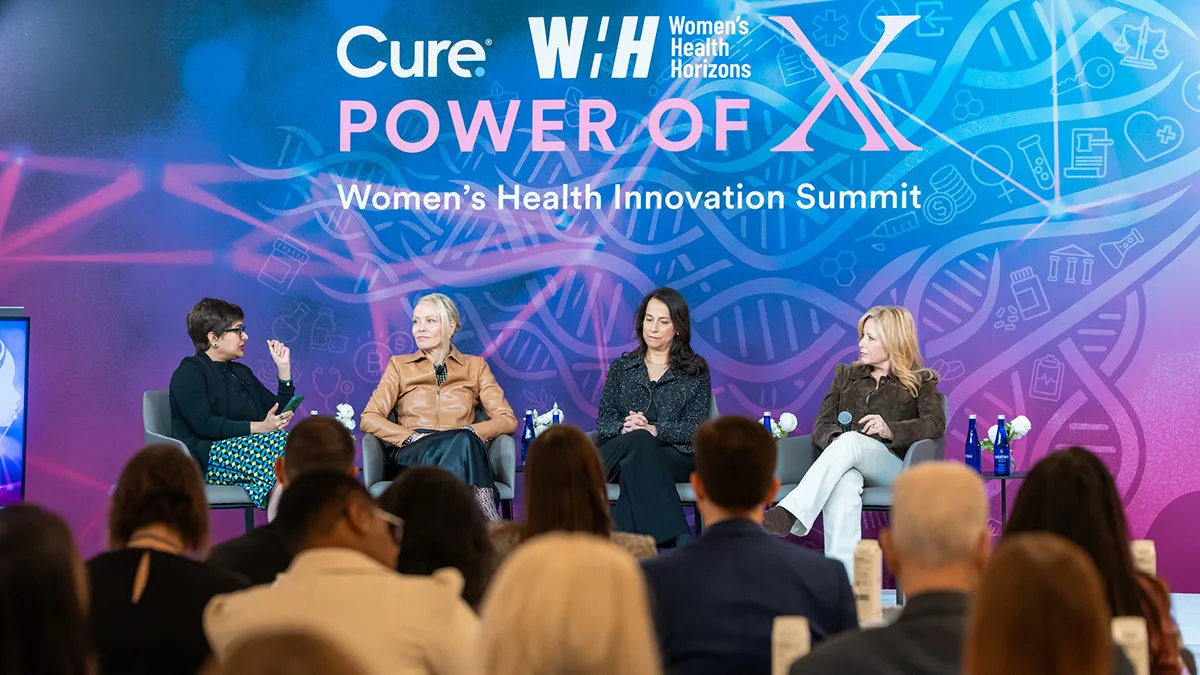
Elizabeth Bailey, Co-Founder and Managing Partner of Foreground Capital, pointed to therapeutics as the emerging frontier, while Maria Molland, Investor and Executive in Residence at Frazier Healthcare Partners, outlined where private equity is placing its bets: fertility services, hormone and metabolic health, and predictive analytics.
The "No Heart Left Behind” keynote expanded that view further. Jennifer H. Mieres, MD, of Northwell Health, underscored that heart disease remains the leading killer of women globally, with 80% of cases preventable. Similar takeaways on gender specificity as science and investment opportunities were echoed in the sessions on maternal mental health and bone health across a woman's lifespan.
Innovation is Proliferating, But Implementation Lags
Day two opened with a fireside chat between Seema Kumar and Dr. Bayo Curry-Winchell, Founder of Clinicians Who Care, followed by a panel on designing women-centered care models that explored how hospital systems can move beyond fragmented specialty care toward holistic approaches built around women's actual needs.
The reimbursement panel, moderated by Valerie B. Palmieri of MOMENTUM Consulting, confronted one of the field's most persistent structural challenges. Medicare law, written in 1965, still has no benefit category for digital health, and commercial payers largely follow Medicare's lead. Leslie Wise, COO and Co-Founder of Audaxis Medical, offered founders a direct playbook: "Go and talk to the payers. If they tell you what they need and you do that, you've taken them on the journey with you. Once you get to the destination, they're not going to say no." Rebecca Bloom, Women's Health Advocate and author of When Women Get Sick, urged the audience to take direct action: "Become an angel. Put your money in the areas that matter to you and support women leaders."
Reframing Women’s Health as a Proven Investment Opportunity
The Founder & Funder fireside between Sonal Pai of First Spark Ventures and Yana Aznavour, MD, PhD, CEO and Founder of Endometrics, challenged the room to reframe the narrative entirely. "We're not funding women's health companies, we're funding the next big revolution in diagnostics," Pai said.
The summit's closing panel drove the point home with new data. Anna Jeter, CRO and Co-Founder of AOA Dx, presented findings that directly challenged the "nascent market" narrative. "When we dug into the data, there were 24 unicorns in the last 20 years and over $100 billion in exits," Jeter said. "The ROI in women's health is 17x compared to the overall market."
As Kumar noted in her closing remarks, the Power of X Summit is not just a moment; it is a movement. The community that gathered at Cure over two days gained more than insights. They left with data, connections, and a shared conviction that the investment case for women's health is real.