

Inside the Structural Reforms That Made IU Indianapolis a Translational Overachiever
How a resource-constrained university built a top-15 translation engine — and what other institutions can learn from it.
09
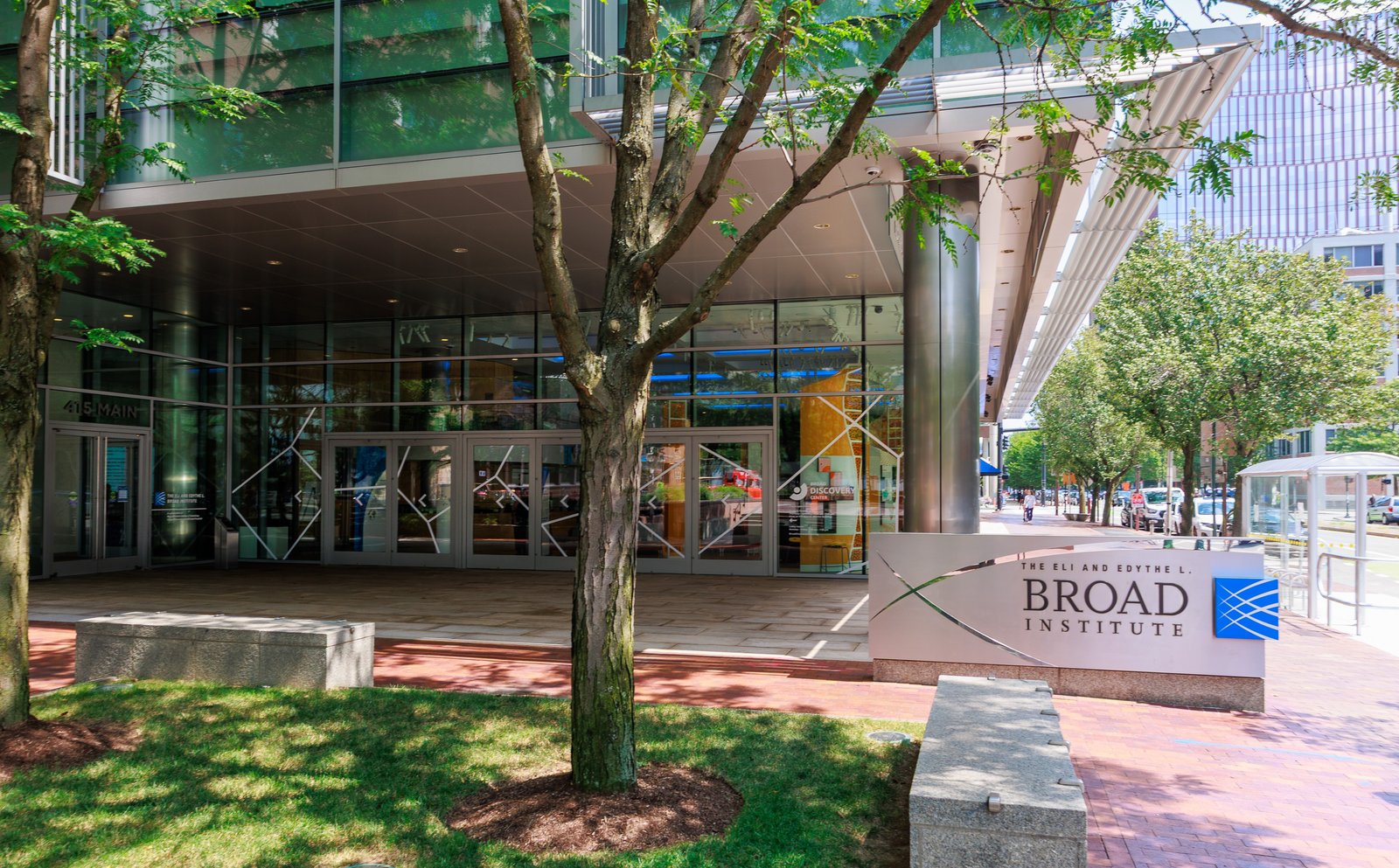
The Broad Institute of MIT and Harvard ranks ninth among 60 biomedical research institutions in the Cure Innovation Index, based in Cambridge, Massachusetts. Its profile leans toward market translation, where it places fourth, and research capabilities are strong. Entrepreneurial readiness trails by comparison. The institute supports an incubator and accelerator, holds a Clinical and Translational Science Award, and engages faculty as principal investigators in clinical trials. As a biomedical institute affiliated with two of the world's leading universities, the Broad is known for its work at the intersection of genomics and disease biology.
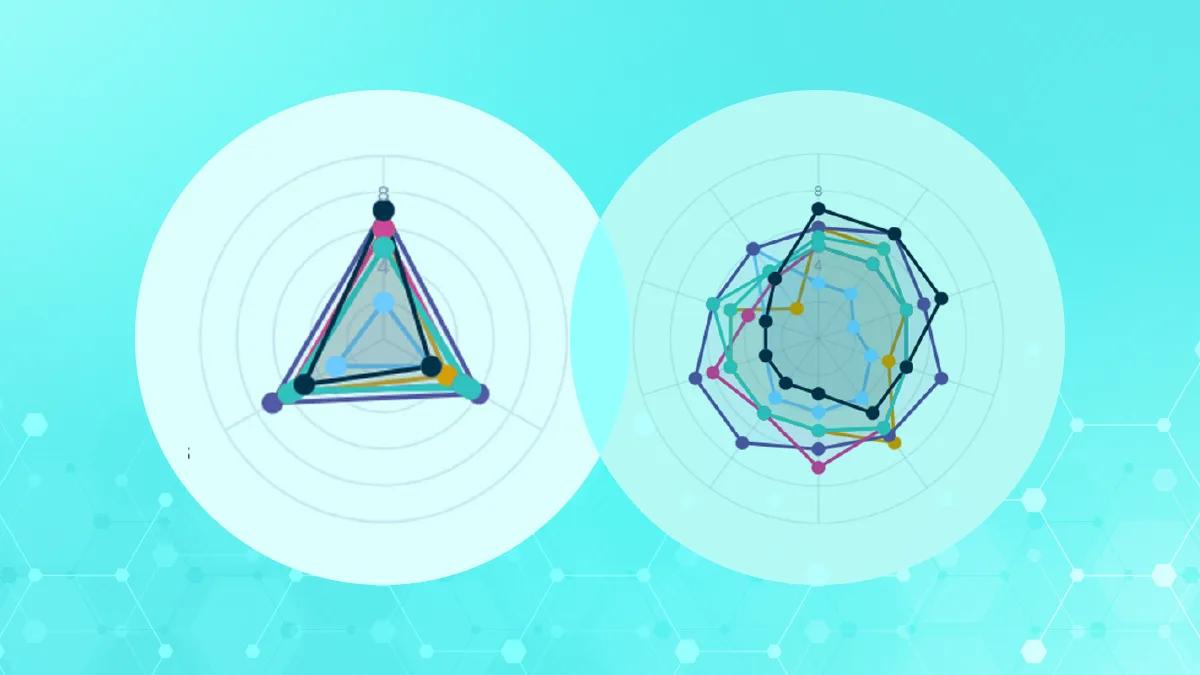
Broad Institute of MIT and Harvard ranked above average for Research Capabilities, a measure of the foundational infrastructure and resources that enable an institution to conduct high-quality, innovative science. Out of the factors in this category, Broad Institute of MIT and Harvard fared best in Funding Support.
Learn MoreBroad Institute of MIT and Harvard ranked below average for Entrepreneurial Readiness, a measure of whether the institution has built a supportive ecosystem for entrepreneurship and whether faculty are engaged in and incentivized toward commercial activity. Out of the factors in this category, Broad Institute of MIT and Harvard fared best in Faculty Engagement.
Learn MoreBroad Institute of MIT and Harvard ranked above average for Market Translation, a measure of how effectively a research institution moves scientific discovery out of the lab and into real-world clinical and commercial applications. Out of the factors in this category, Broad Institute of MIT and Harvard fared best in Health Impact.
Learn More
From a pool of more than 6,000 institutions, the top 303 were ranked using two dozen indicators — from scientific foundation and lab infrastructure to patents, products, and partnerships — drawn from more than a dozen federal and commercial databases, an original audit of all institutions, and surveys of more than 3,300+ scientists, industry leaders, and biomedical experts.
Innovation isn't a single moment — it's an entire ecosystem. The Index evaluates institutions across two dozen indicators, grouped in three core domains that reveal the full picture of what it takes to turn groundbreaking science into real-world impact.
How a resource-constrained university built a top-15 translation engine — and what other institutions can learn from it.
With 27 institutions ranked among the country’s top biomedical innovators, New York’s research cluster spans the entire state, and outperforms nearly every other in the country.

As NIH funding shrinks and industry pulls back from early-stage science, universities are rethinking how discoveries move from the lab to the market.
The Bayh-Dole Act turned federally funded research into a commercialization pipeline that built American biotech. Forty-five years later, that pipeline faces a new set of political and financial pressures that could reshape how it works.