
Cure.
Overview
Alex Zhavoronkov says China now enrolls and runs trials faster, but the FDA and decades of NIH-built infrastructure remain out of reach.
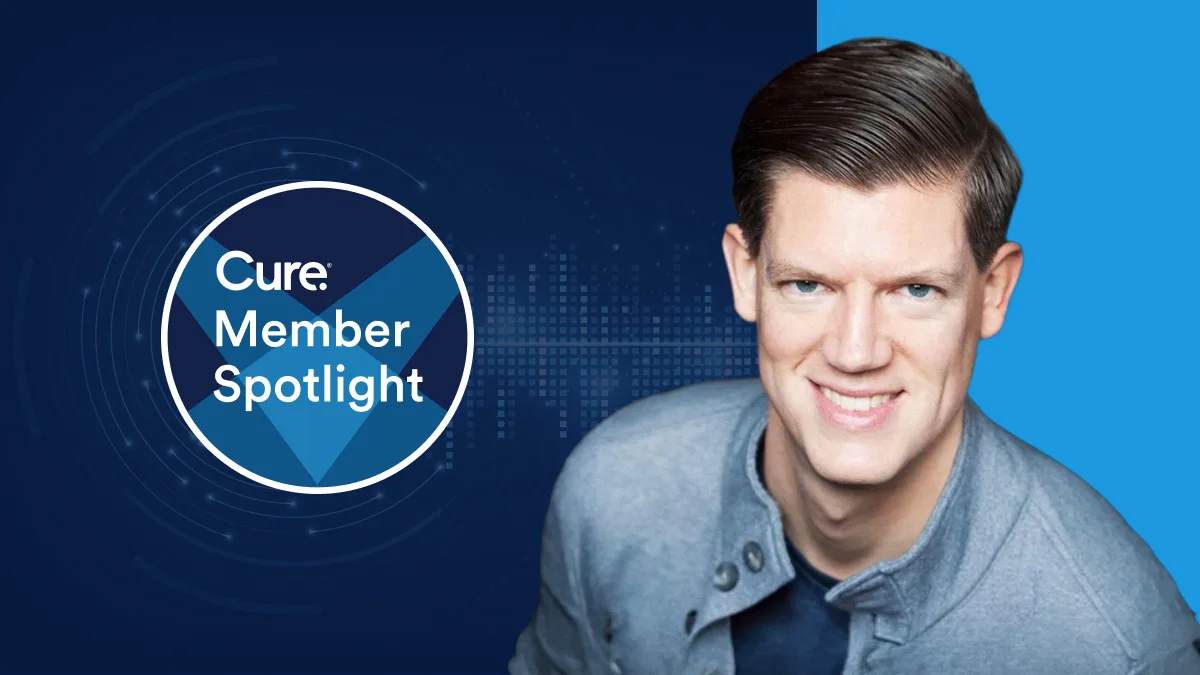
This article is based on a Cure webinar from July 2026 titled "Racing to Cures: US-China Biomedical Competitiveness," with Alex Zhavoronkov, PhD, CEO of Insilico Medicine. The full recording is available in Cure's membership community.
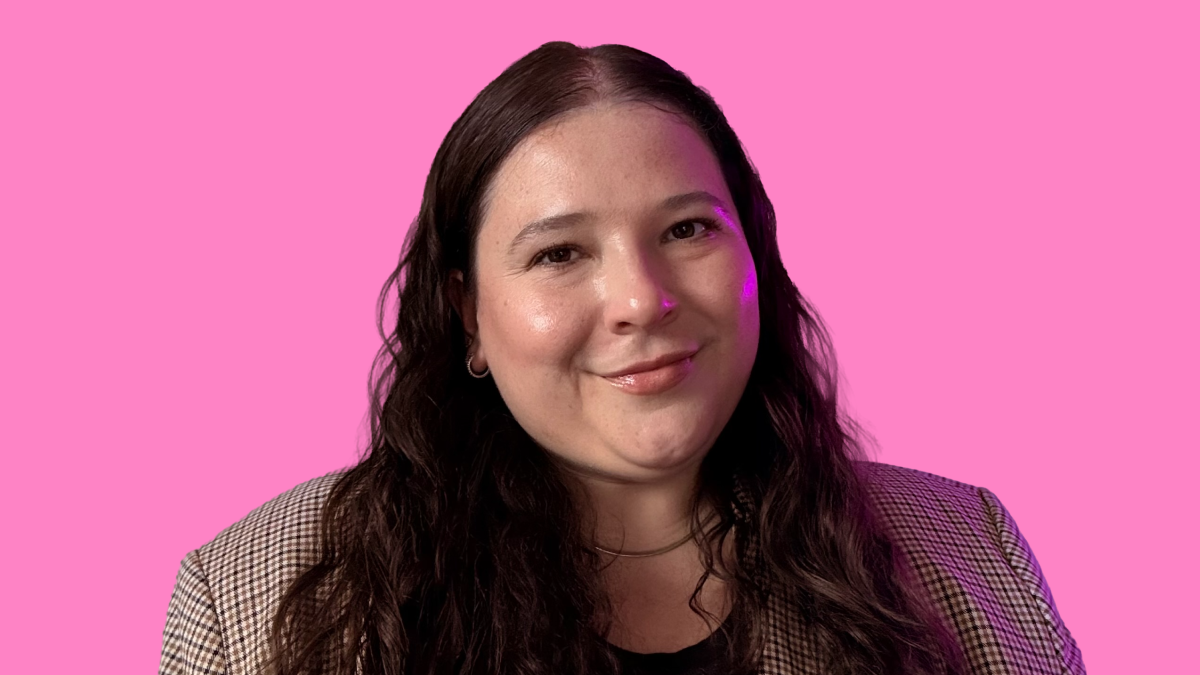
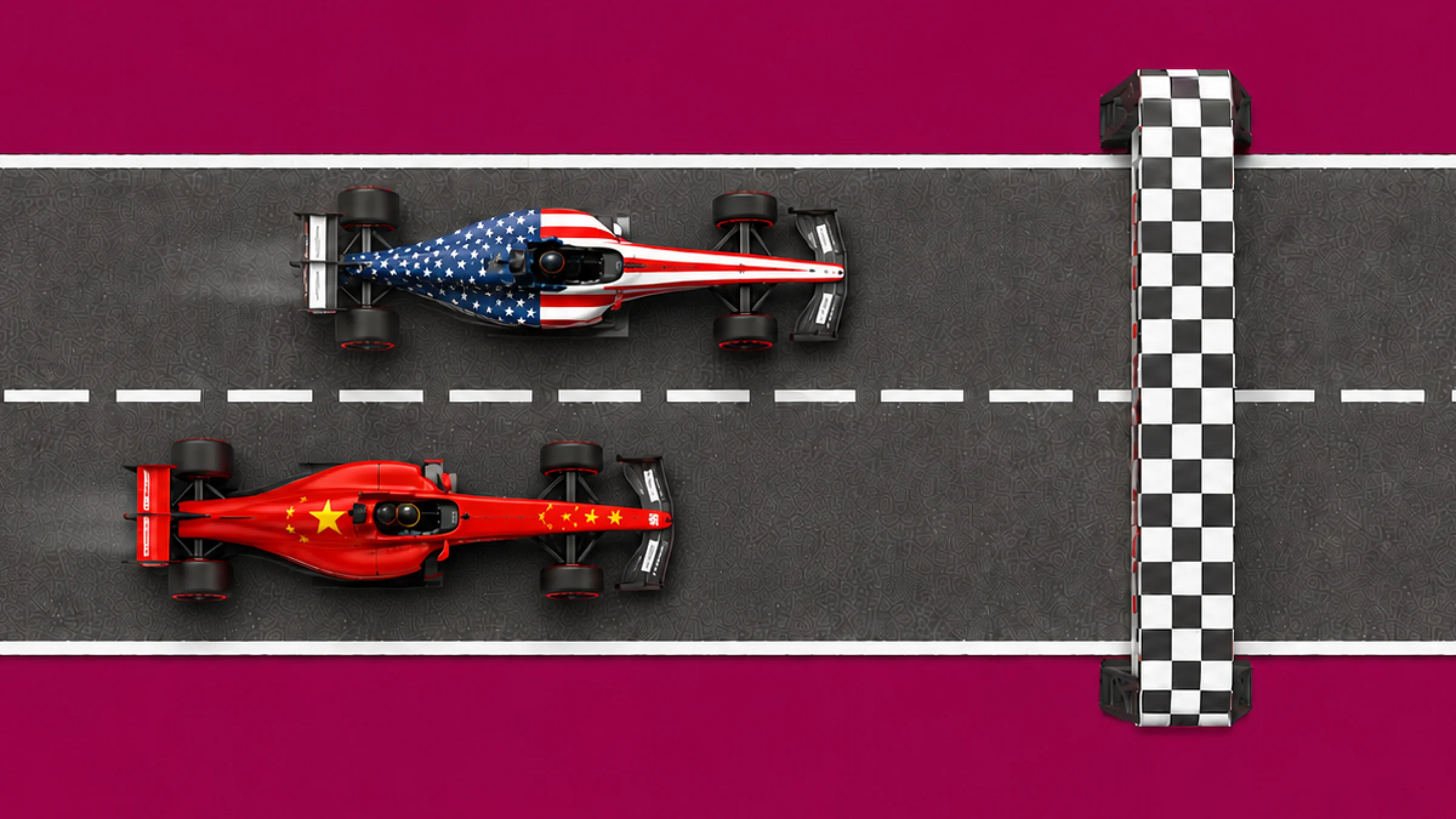
Insilico Medicine founder and CEO Alex Zhavoronkov, PhD, said China now enrolls and runs clinical trials faster, but the United States still leads in ways China cannot copy.
Speaking during a recent webinar hosted by Seema Kumar, Chief Executive Officer of Cure, Zhavoronkov described a reversal over the past decade. China, once a low-cost supplier of chemical synthesis for Western labs, has become one of the easiest places to operate. The United States has moved the other way.
“It kind of flipped from being open to being closed,” he said of the US. “I am not commenting on policies. It is just the perception.”
Zhavoronkov founded Insilico in 2014 to use AI to find drug targets and design the molecules to hit them. The company now has more than 30 drug candidates in development, listed on the Hong Kong Stock Exchange in December 2025, and in July began a Phase 3 trial of rentosertib, an AI-designed treatment for idiopathic pulmonary fibrosis.
Insilico runs research in Montreal, model work in Abu Dhabi, and testing across Greater China. Zhavoronkov said he built the company that way to steer clear of geopolitical tensions.
“When the giants are fighting, it’s better to stay away from that fight.”
That footprint gives Zhavoronkov a read on both systems. China’s position took years to build, he said. From the late 1990s the country absorbed synthesis work that Western labs preferred to outsource. By the mid-2010s domestic firms were developing their own versions of proven drugs rather than licensing from the West. A downturn from 2020 to 2023 pushed Chinese companies to license assets out to global pharmaceutical firms, and that became a business model.
“Somebody did not just flip a switch,” he said. “It is tedious hard work with long term planning.”
The American Advantage
Approval from the Food and Drug Administration (FDA) still opens the largest commercial market, Zhavoronkov said.
The bigger advantage, he said, is appetite for risk. American investors still back science that takes a decade and usually fails, betting on the rare payout. Zhavoronkov said the chance of success can fall below 1 percent when a drug involves a new target, a new molecule, or a new type of therapy.
“It’s basically a fair casino, where if you gamble in this molecular roulette and if you win, if you are really good, over 10 years, you get the payout.”
He credited decades of federal funding for the rest of it. The National Institutes of Health (NIH) and other agencies paid for the laboratories, the training, and the scientists willing to take those bets.
China’s Real Edge Is Scale
Scale is where China has pulled ahead. Zhavoronkov said US biotech is reasonably well-equipped for frontier discovery. What the country has not built is the capacity to carry a discovery from proof of concept to full production. Part of that is population. He pointed to more than a billion people in China reachable through apps such as WeChat, which combine messaging, payments, and services in one place. That reach makes finding and enrolling trial participants faster.
Asked where the two countries might cooperate, Zhavoronkov named longevity first, the problem he has built his career around.
Asked what advice he’d give US academics facing uncertainty, Zhavoronkov was blunt: too many scientists, he said, have come to expect government funding, and US research productivity has declined as a result. He said the country now treats wealth with suspicion, even when the wealthy reinvest in science.
“Stop thinking about how to get free money and start thinking about how to convert your research into something that you can commercialize,” Zhavoronkov said.