


Inside the Structural Reforms That Made IU Indianapolis a Translational Overachiever
How a resource-constrained university built a top-15 translation engine — and what other institutions can learn from it.
Every university on this list represents the highest tier of U.S. biomedical research. We ranked 243 research universities across the United States on their ability to translate scientific discovery into real-world healthcare solutions, evaluated on 25 indicators across three core domains.
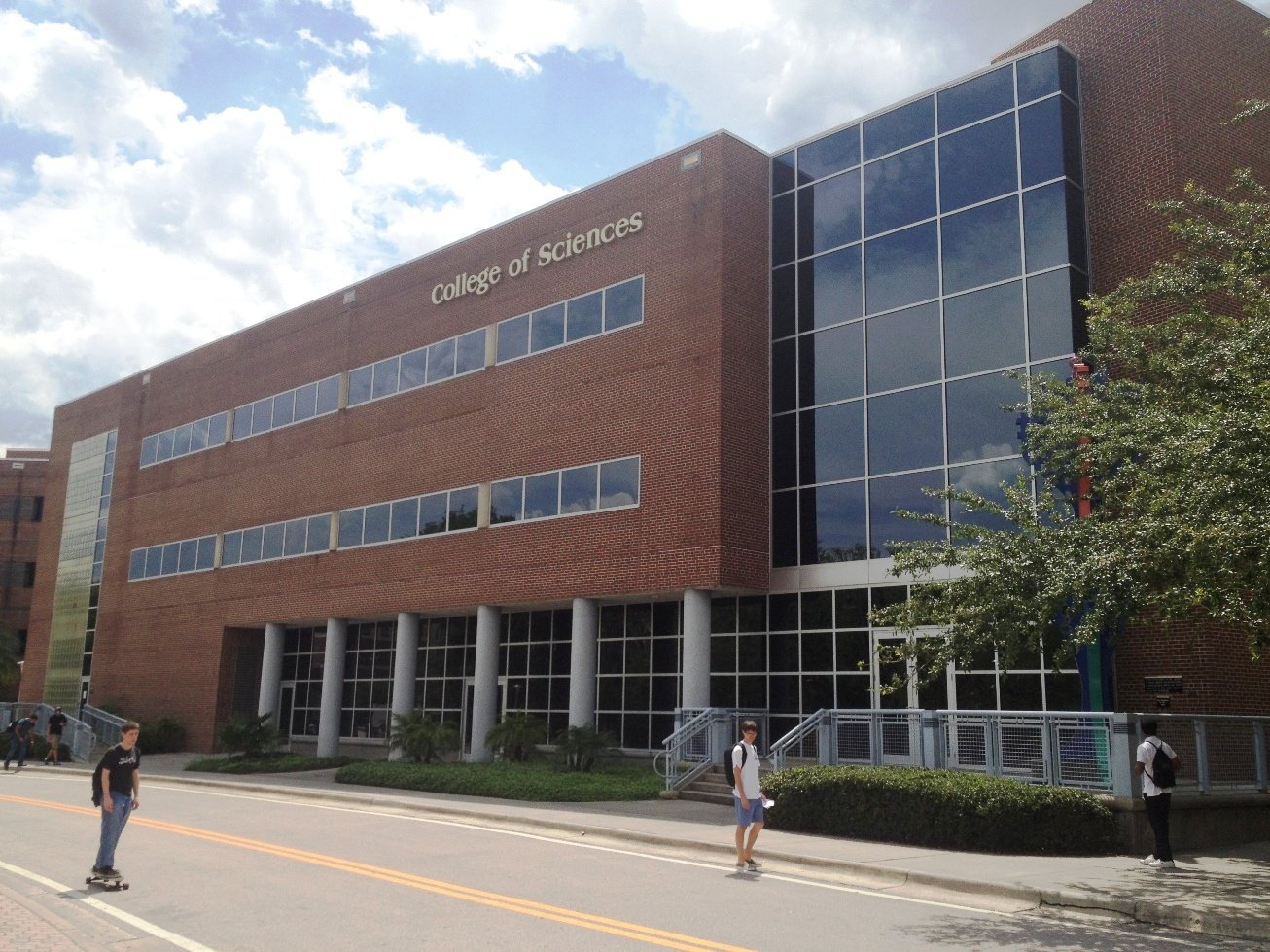
The University of Central Florida ranks 131st among universities in the Cure Innovation Index. Located in Orlando, Florida, UCF's profile leans toward market translation, where it ranks in the upper third among ranked universities, well ahead of its standing in Research Capabilities and Entrepreneurial Readiness.
Learn More
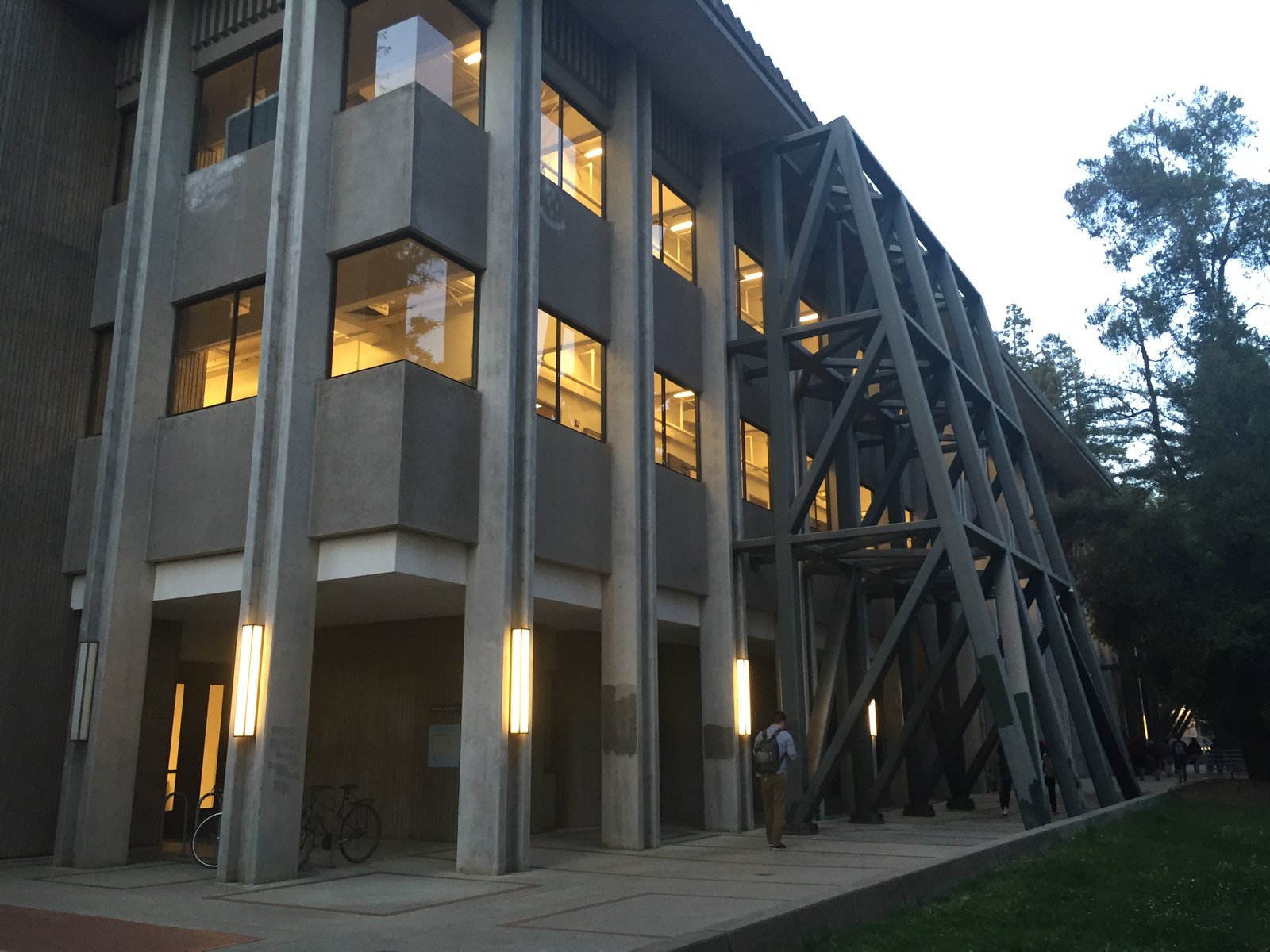
The University of California, Santa Cruz ranks 132nd among universities in the Cure Innovation Index. Located in Santa Cruz, California, the university places 117th in Research Capabilities and performs comparably in Market Translation (134th) and Entrepreneurial Readiness (149th), maintaining a balanced profile across all three domains.
Learn More
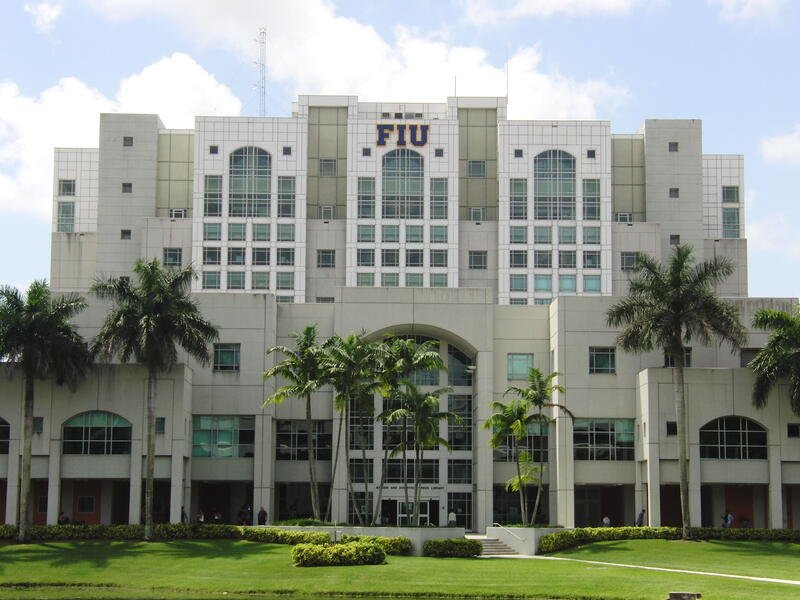
Florida International University ranks 133rd among universities in the Cure Innovation Index, based in Miami, Florida. Market translation is the university's strongest domain, where it places in the upper tier, with more moderate standing in research capabilities and entrepreneurial readiness.
Learn More
The University of Nevada, Reno ranks 134th among universities in the Cure Innovation Index. The university shows a balanced profile across research and translation, with its strongest standing in entrepreneurial readiness, where it places in the upper half of ranked universities.
Learn More
The University of Nebraska, Lincoln ranks 135th among 243 universities in the Cure Innovation Index. Based in Lincoln, Nebraska, the university's performance is uneven across domains: it places 72nd in Market Translation, well above its overall standing, while Research Capabilities are in the middle of the field and Entrepreneurial Readiness is a less developed area.
Learn More
The University of Memphis ranks 136th among universities in the Cure Innovation Index. Based in Memphis, Tennessee, the university performs strongest in Entrepreneurial Readiness, ranking 77th in that domain, while Research Capabilities and Market Translation are areas with more room to develop.
Learn More
Oklahoma State University, Stillwater ranks 137th among 243 universities in the Cure Innovation Index. Located in Stillwater, Oklahoma, the university's clearest strength is Entrepreneurial Readiness, where it places in the upper tier of all ranked universities.
Learn More
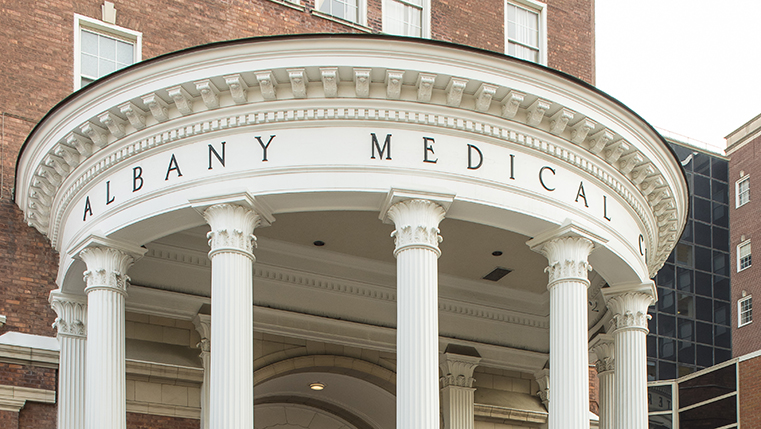
Albany Medical College ranks 138th among 243 universities in the Cure Innovation Index, based in Albany, New York. Its performance across Research Capabilities, Market Translation, and Entrepreneurial Readiness is consistent, with market translation representing a relative strength.
Learn More
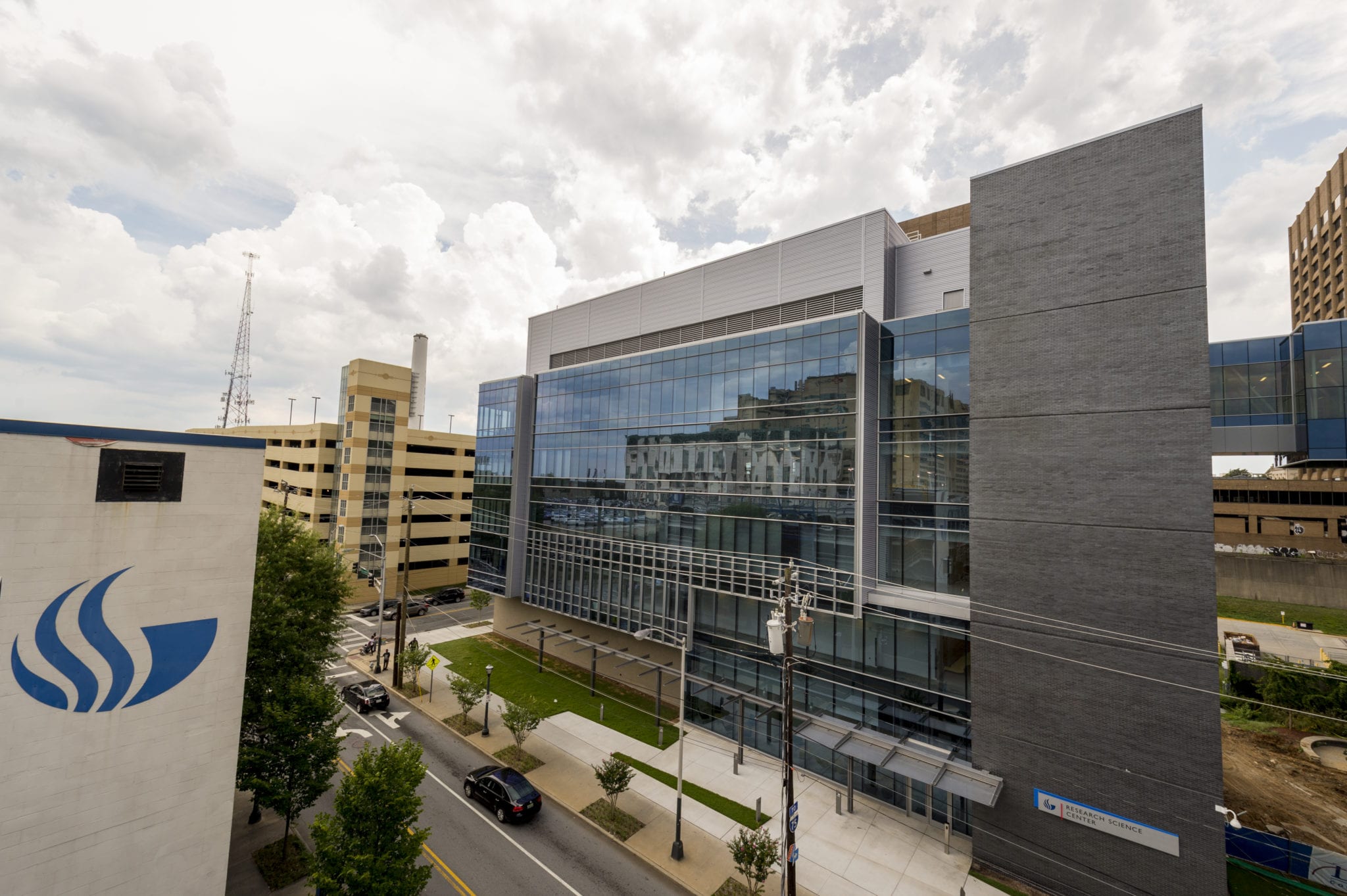
Georgia State University ranks 139th among universities in the Cure Innovation Index. Located in Atlanta, Georgia, the university demonstrates research capabilities near the middle of the field and trails in market translation.
Learn More
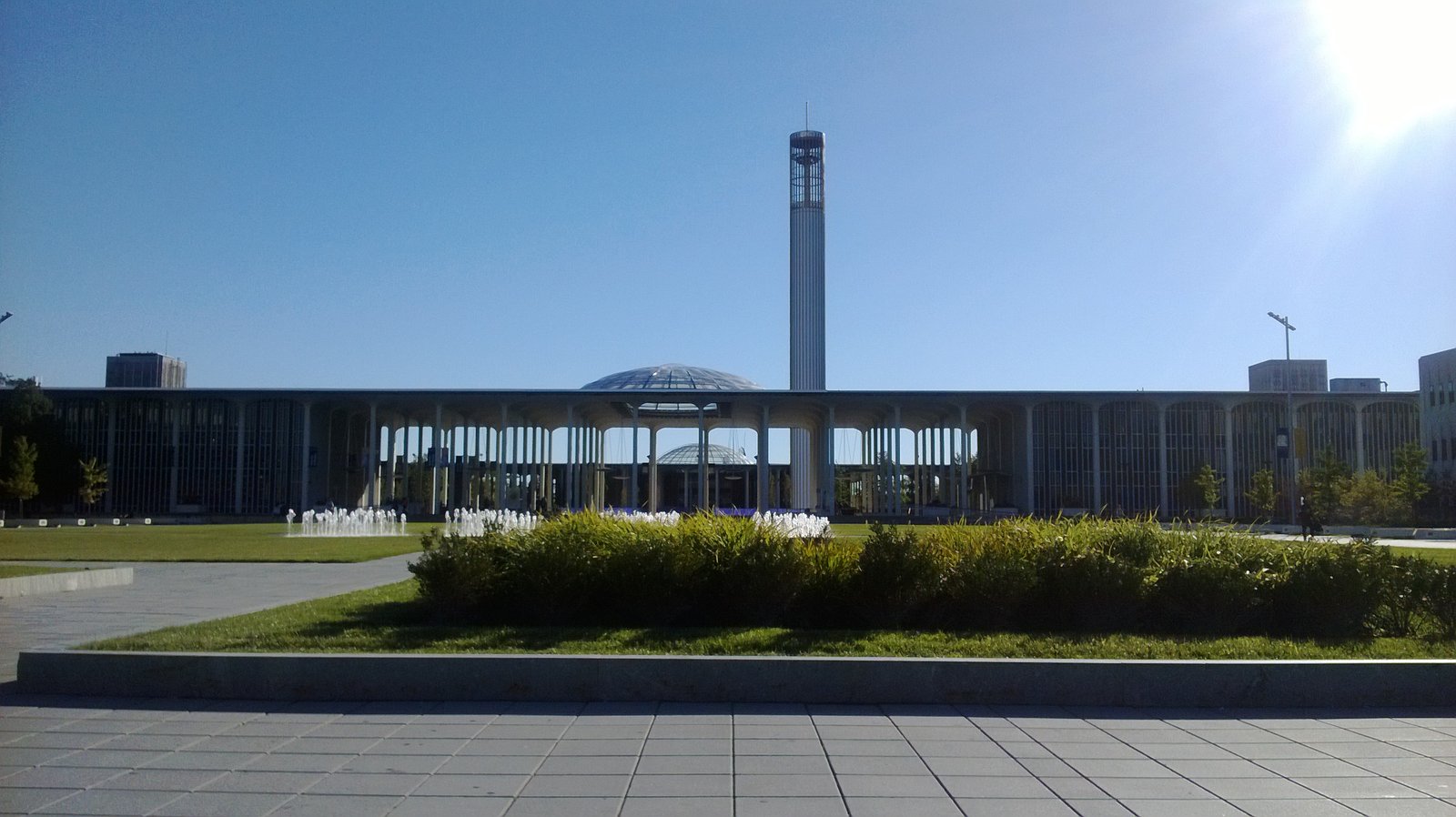
The University at Albany (SUNY) ranks 140th among 243 universities in the Cure Innovation Index. Located in New York's state capital, the university finds its strongest standing in Entrepreneurial Readiness, where it places in the upper half of the field.
Learn More

From a pool of more than 6,000 institutions, the top 303 were ranked using two dozen indicators — from scientific foundation and lab infrastructure to patents, products, and partnerships — drawn from more than a dozen federal and commercial databases, an original audit of all institutions, and surveys of more than 3,300+ scientists, industry leaders, and biomedical experts.
Innovation isn't a single moment — it's an entire ecosystem. The Index evaluates institutions across two dozen indicators, grouped in three core domains that reveal the full picture of what it takes to turn groundbreaking science into real-world impact.
How a resource-constrained university built a top-15 translation engine — and what other institutions can learn from it.
With 27 institutions ranked among the country’s top biomedical innovators, New York’s research cluster spans the entire state, and outperforms nearly every other in the country.

As NIH funding shrinks and industry pulls back from early-stage science, universities are rethinking how discoveries move from the lab to the market.
The Bayh-Dole Act turned federally funded research into a commercialization pipeline that built American biotech. Forty-five years later, that pipeline faces a new set of political and financial pressures that could reshape how it works.