

Inside the Structural Reforms That Made IU Indianapolis a Translational Overachiever
How a resource-constrained university built a top-15 translation engine — and what other institutions can learn from it.
Every university on this list represents the highest tier of U.S. biomedical research. We ranked 243 research universities across the United States on their ability to translate scientific discovery into real-world healthcare solutions, evaluated on 25 indicators across three core domains.
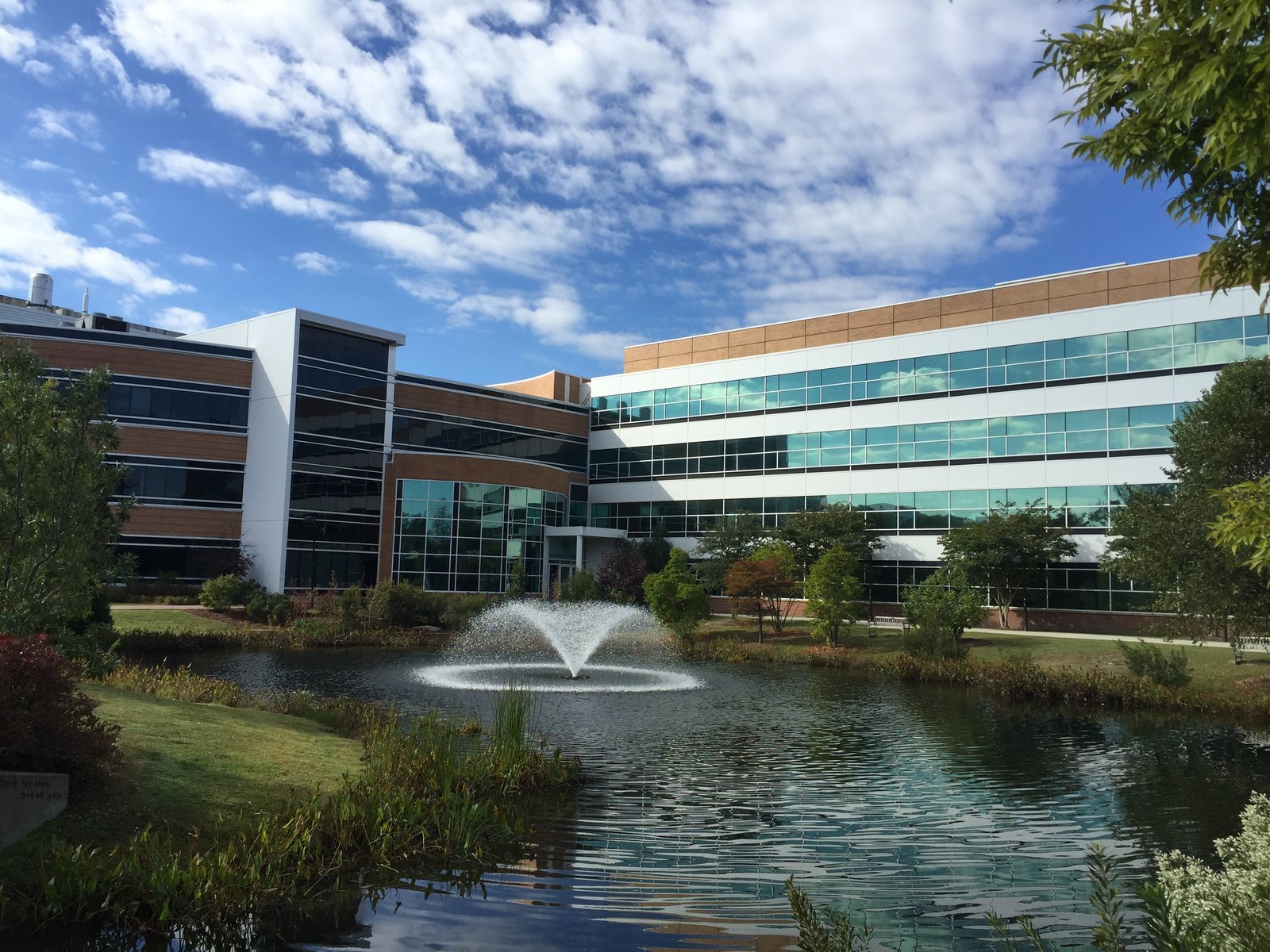
Old Dominion University ranks 191st overall in the Cure Innovation Index. Located in Norfolk, Virginia, the university's strongest area is entrepreneurial readiness, where it places in the middle of the field among universities; research capabilities and market translation activity fall in the lower tier.
Learn More
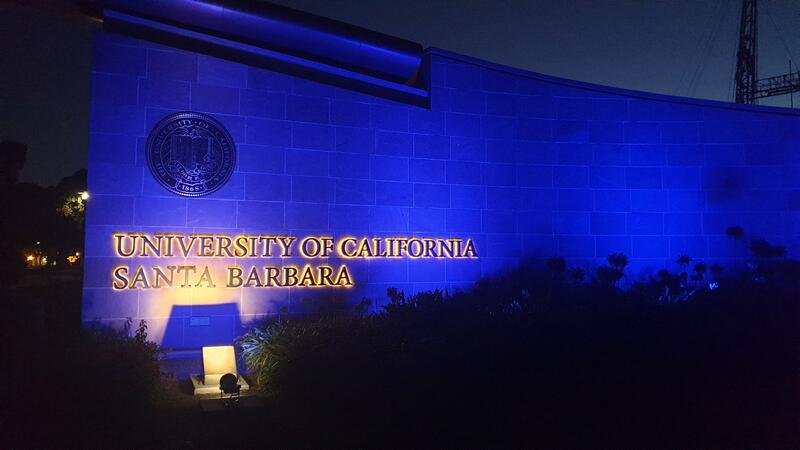
The University of California, Santa Barbara ranks 192nd among universities in the Cure Innovation Index. Based in Santa Barbara, California, the university occupies middle ground in both research capabilities and market translation.
Learn More
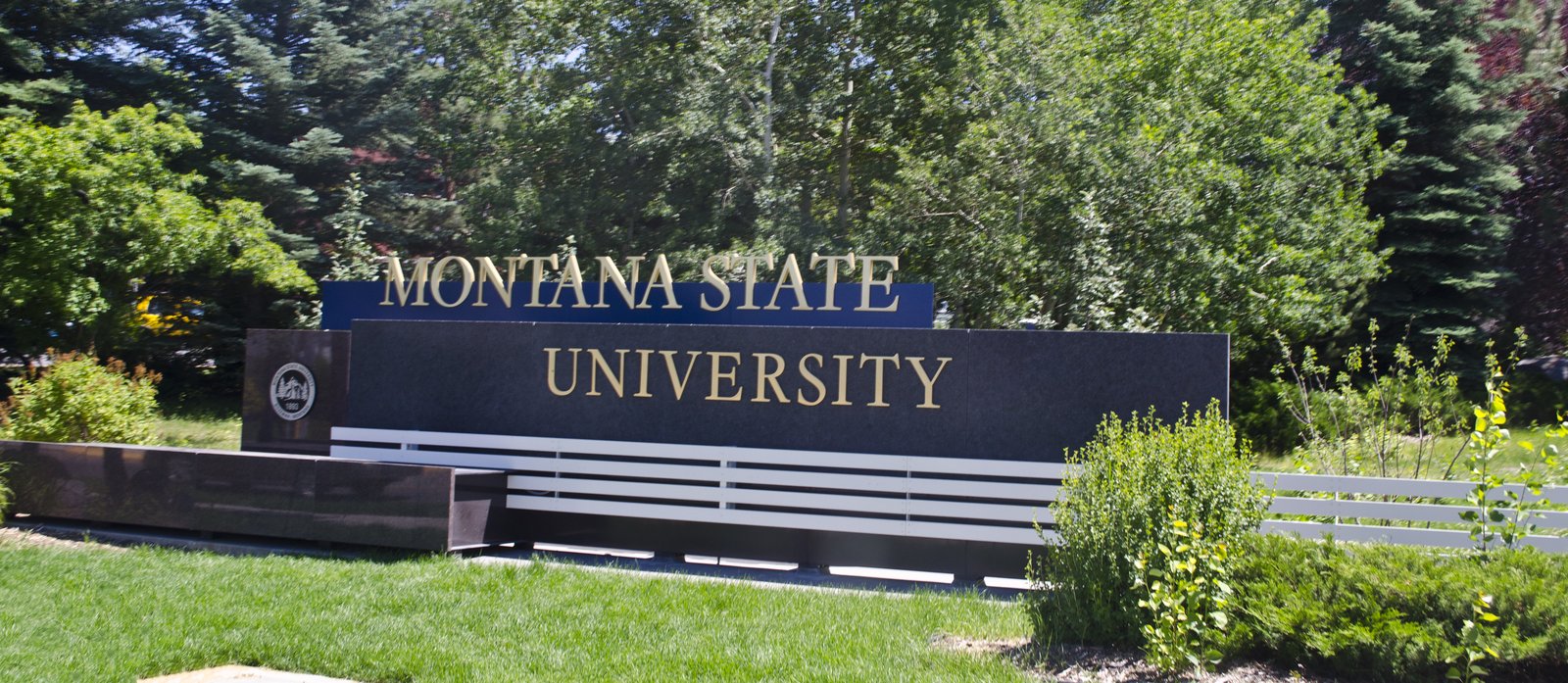
Montana State University, Bozeman ranks 193rd among 243 universities in the Cure Innovation Index. Located in Bozeman, Montana, the university places in the mid-range for research capabilities, its strongest domain, while market translation and entrepreneurial readiness are developing areas.
Learn More
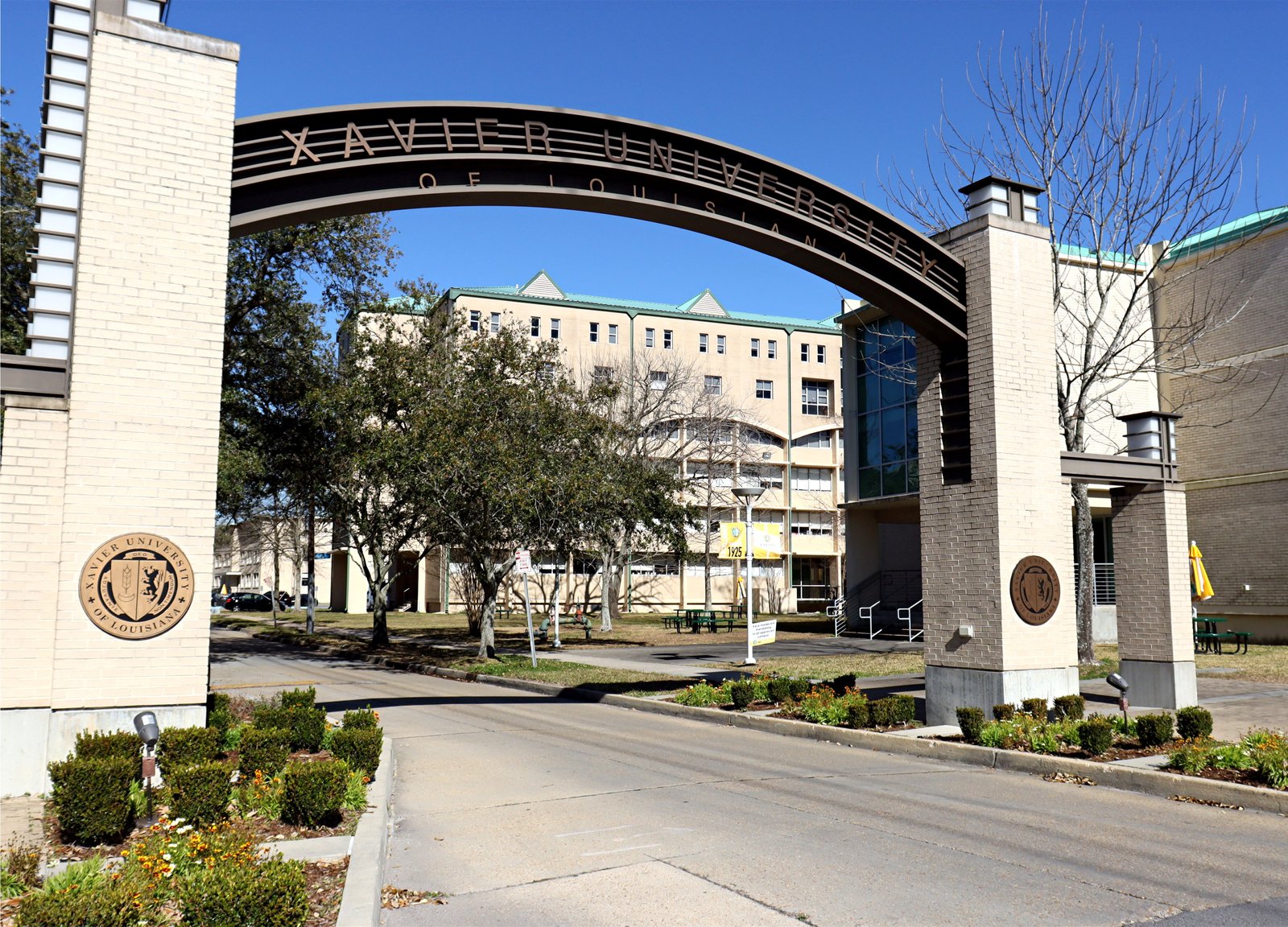
Xavier University of Louisiana ranks 194th among 243 universities in the Cure Innovation Index. Located in New Orleans, Xavier is a historically Black university with a sustained focus on health professions education and biomedical workforce development.
Learn More
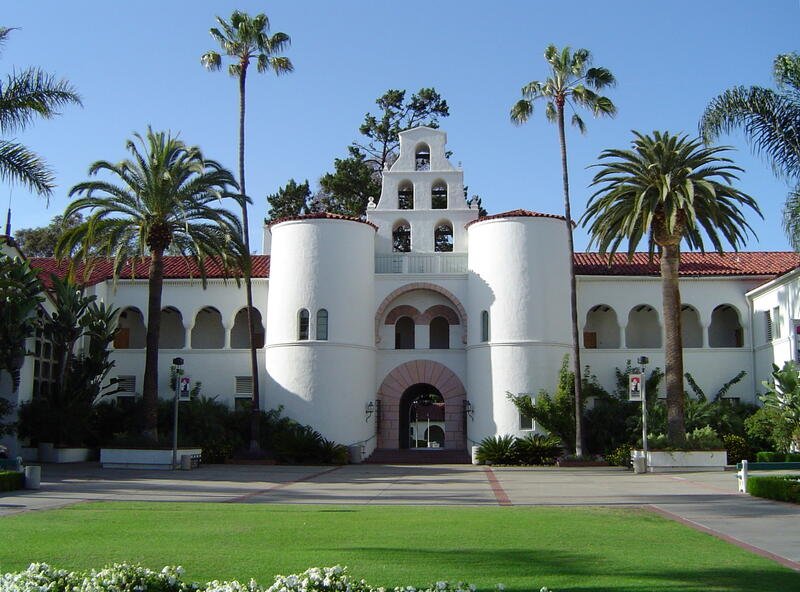
San Diego State University ranks 195th among 243 universities in the Cure Innovation Index, located in San Diego, California. Its strongest performance is in Entrepreneurial Readiness, placing 167th, with an incubator and accelerator, an entrepreneur-in-residence program, and faculty-led clinical trials reflecting an applied orientation.
Learn More
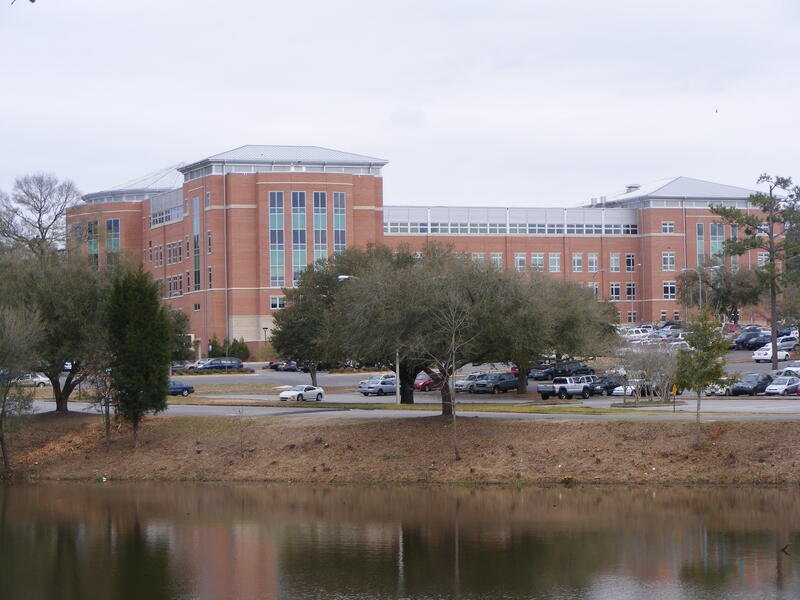
The University of South Alabama ranks 196th among universities in the Cure Innovation Index, located in Mobile, Alabama. Across the three domains, the university's profile is developing, with Research Capabilities as its comparatively stronger area; Market Translation and Entrepreneurial Readiness reflect similar standings.
Learn More
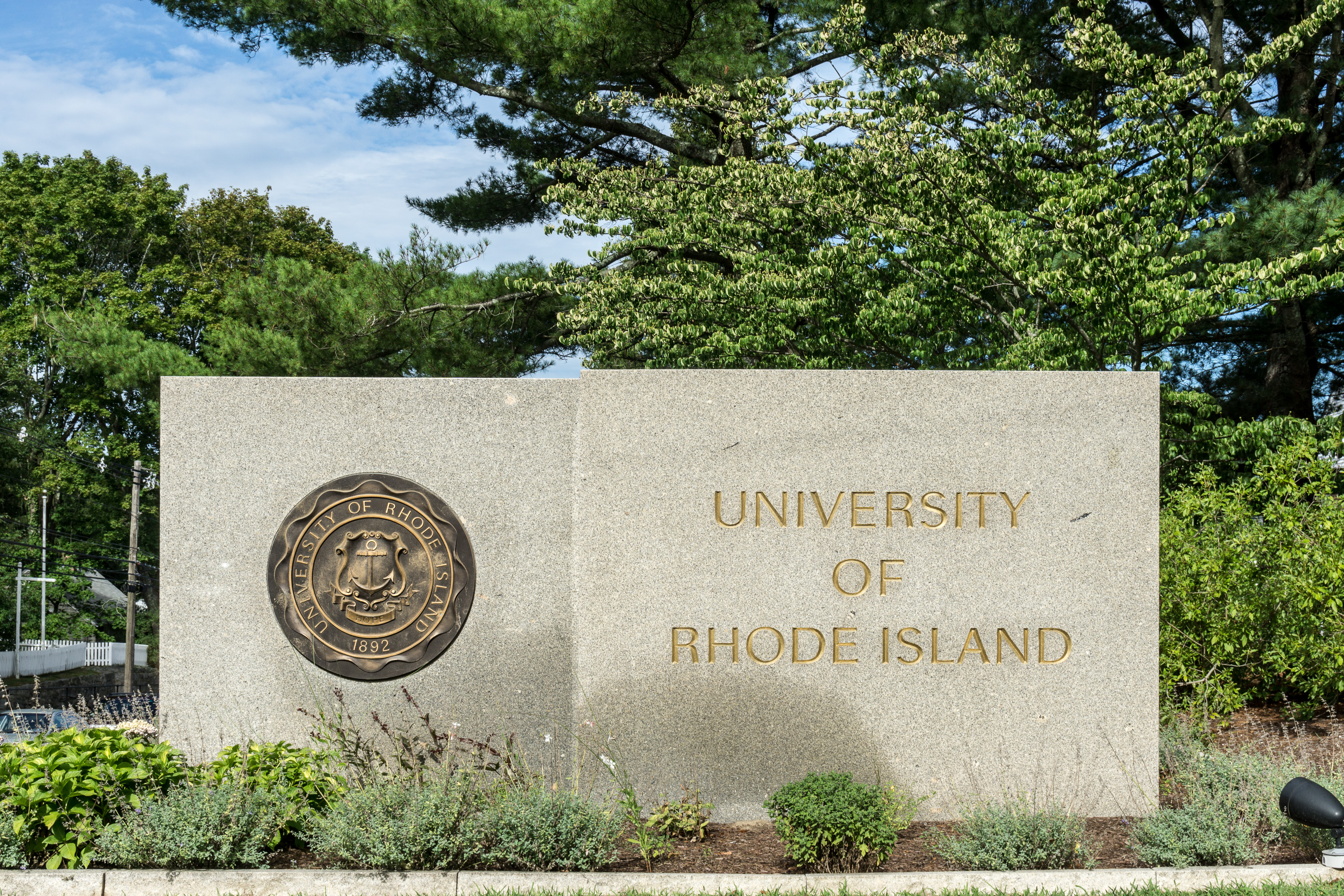
The University of Rhode Island ranks 197th among universities in the Cure Innovation Index. Located in Kingston, Rhode Island, the university shows its relative strength in Market Translation, where it ranks 147th, placing it in the middle range of the field.
Learn More
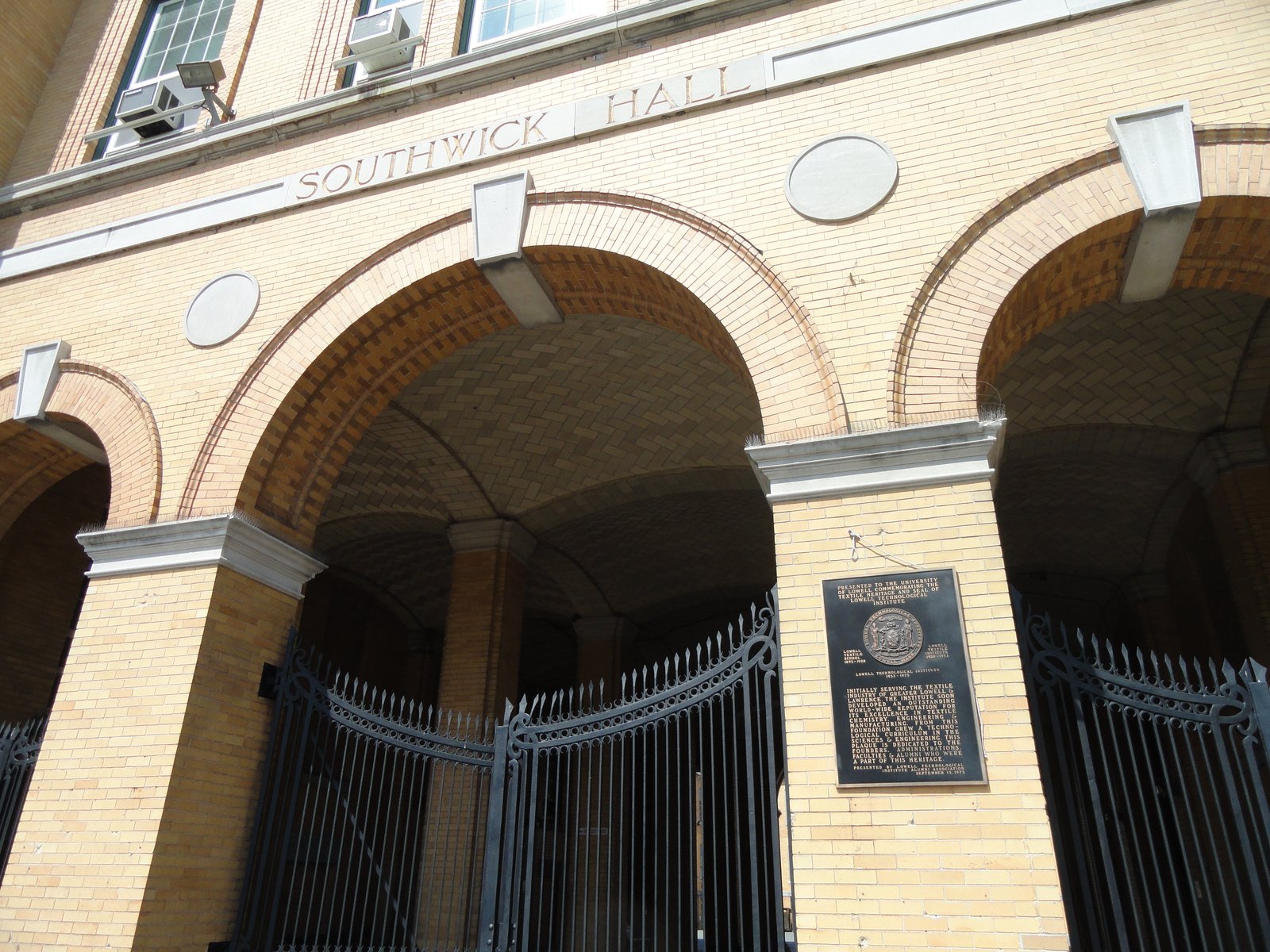
The University of Massachusetts Lowell ranks 198th among universities in the Cure Innovation Index, based in Lowell, Massachusetts. Part of the University of Massachusetts system, the university shows its highest standing in market translation; research capabilities and entrepreneurial readiness both fall in the lower tier across the three domains.
Learn More
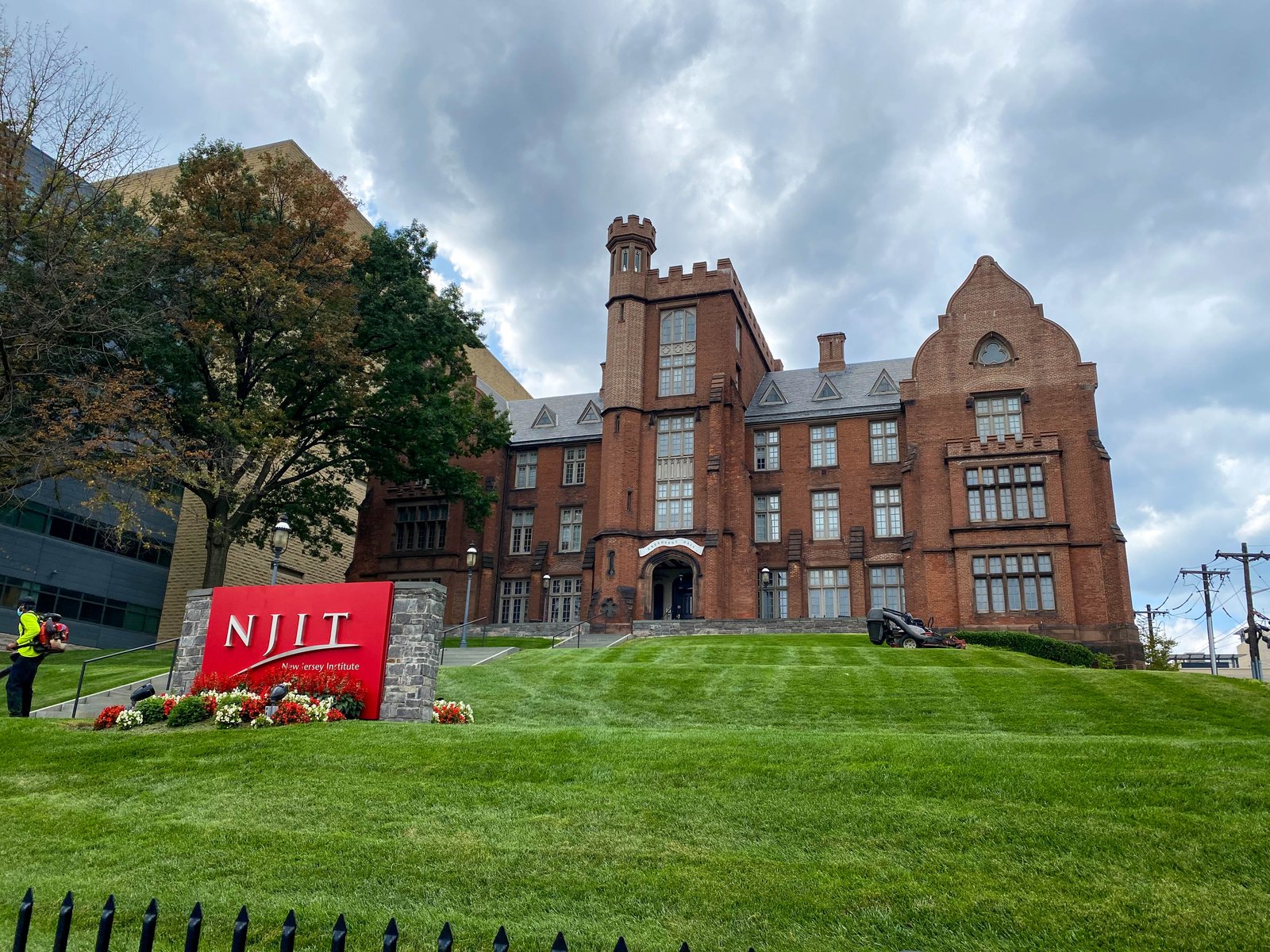
New Jersey Institute of Technology ranks 199th among universities in the Cure Innovation Index, based in Newark, New Jersey. Across the three domains, market translation represents the university's relative area of strength, while research capabilities and entrepreneurial readiness rank lower.
Learn More
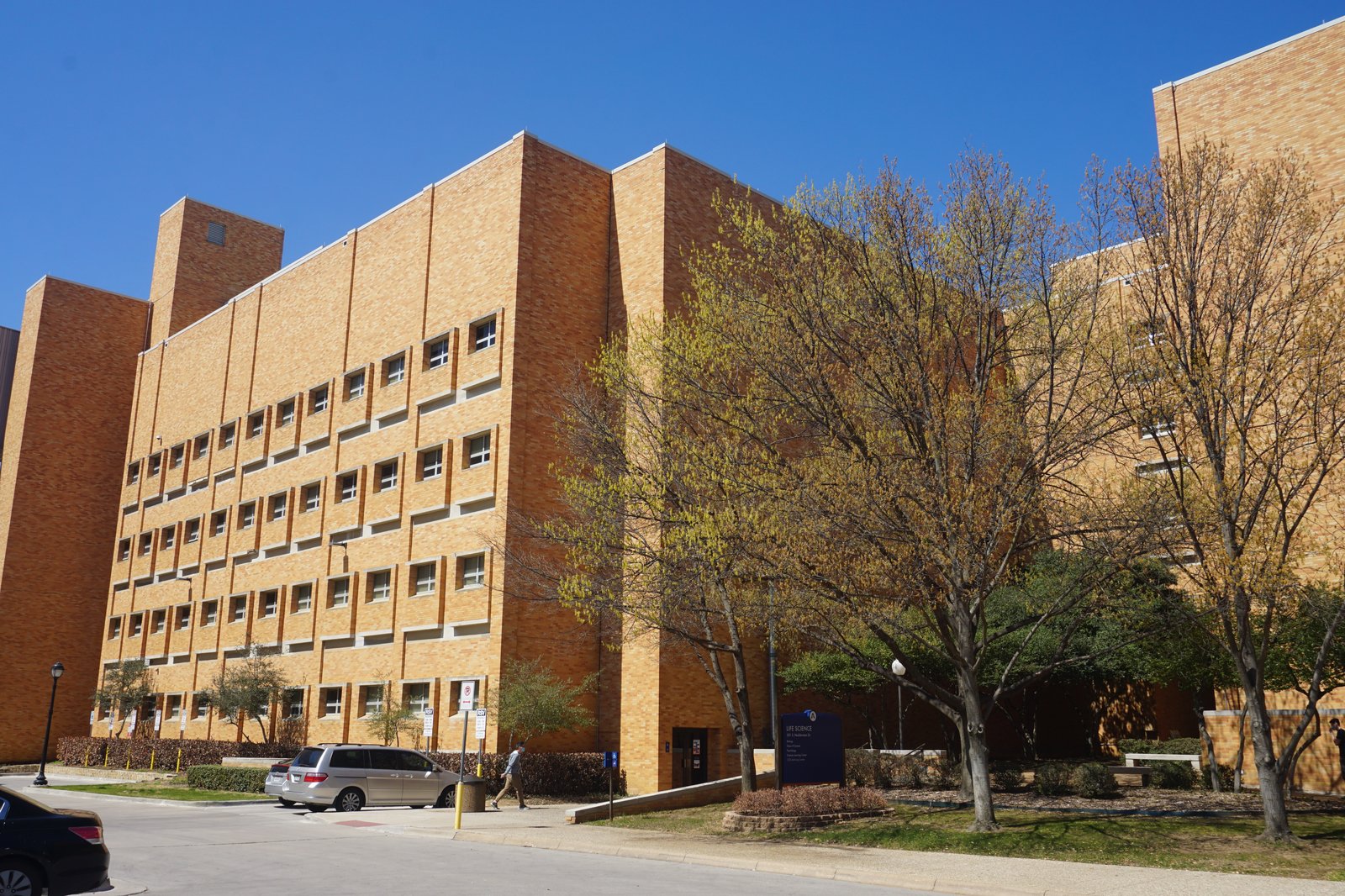
The University of Texas at Arlington ranks 200th among universities in the Cure Innovation Index. Situated in Arlington, Texas, within the Dallas-Fort Worth metropolitan area, the university shows its comparatively strongest positioning in market translation, while research capabilities and entrepreneurial readiness rank lower in its profile.
Learn More

From a pool of more than 6,000 institutions, the top 303 were ranked using two dozen indicators — from scientific foundation and lab infrastructure to patents, products, and partnerships — drawn from more than a dozen federal and commercial databases, an original audit of all institutions, and surveys of more than 3,300+ scientists, industry leaders, and biomedical experts.
Innovation isn't a single moment — it's an entire ecosystem. The Index evaluates institutions across two dozen indicators, grouped in three core domains that reveal the full picture of what it takes to turn groundbreaking science into real-world impact.
How a resource-constrained university built a top-15 translation engine — and what other institutions can learn from it.
With 27 institutions ranked among the country’s top biomedical innovators, New York’s research cluster spans the entire state, and outperforms nearly every other in the country.

As NIH funding shrinks and industry pulls back from early-stage science, universities are rethinking how discoveries move from the lab to the market.
The Bayh-Dole Act turned federally funded research into a commercialization pipeline that built American biotech. Forty-five years later, that pipeline faces a new set of political and financial pressures that could reshape how it works.