



Cure
Overview
From AI-native care models to regulatory whiplash and new pressures around coverage and privacy, Out-of-Pocket Health founder Nikhil Krishnan lays out the forces expected to reshape biotech in the year ahead.
As biotech leaders look ahead to 2026, many are weighing how quickly recent shifts in technology, regulation, and care delivery will translate into lasting change. From AI adoption to coverage gaps and patient trust, the next phase of healthcare innovation will likely be defined as much by execution as by ambition.
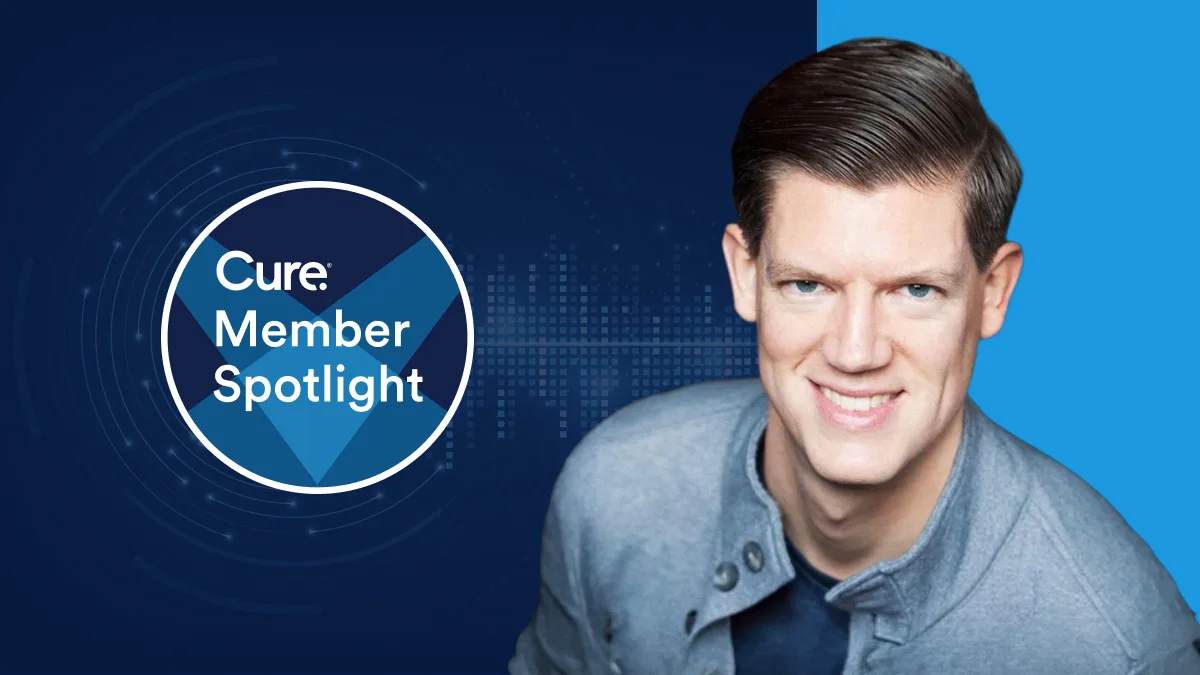
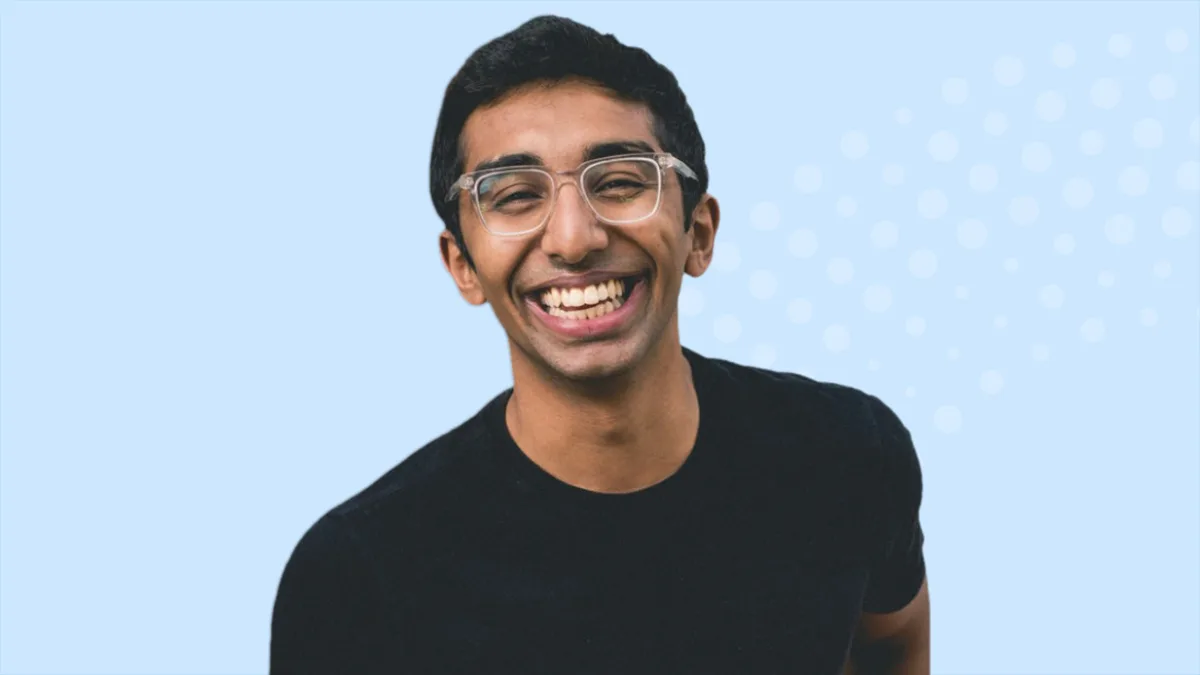
Cure recently hosted a webinar with Nikhil Krishnan, founder of Out-of-Pocket Health, a widely followed media brand known for demystifying the business of healthcare through sharp analysis, approachable language, humor, and yes, the occasional meme. Krishnan has built a reputation for unpacking the economics of healthcare, examining how coverage decisions, incentives, and care models actually shape real-world outcomes. That perspective made him a natural choice to share his predictions for where the health and pharmaceuticals sector is headed in 2026.
The conversation focused on how AI adoption, shifting coverage dynamics, regulatory uncertainty, and new care models are likely to reshape the industry over the next few years. Below are five key takeaways from Kumar and Krishnan’s discussion.
Click here to view the full 60-minute conversation, only accessible to Cure Members.
1. AI tooling is improving fast, but it won’t fix what is broken
At a high level, the amount of progress AI products have made over the past year has been surprising. “You would think it would have petered out, but in 2025 we saw a ton of advances in multimodal AI and healthcare-specific models,” Krishnan said.
At the same time, he flagged a major open question heading into 2026: whether those advances will meaningfully change how work gets done. “Everyone is looking at whether AI is actually going to deliver the productivity gains that it says it will."
One common pitfall is teams assuming that AI tools will automatically translate into enterprise value. “So many companies try to use AI tools to make bad processes faster, and that’s not really fixing the underlying problem,” he said. Rather than focusing on speeding up workflows, he encouraged leaders first to consider whether those workflows should exist in the first place.
Building on this point, Krishnan noted that 2025 was the first year when shifting power dynamics between systems of record, such as EHRs, and the companies that build on them became more visible. He cautioned that it can be risky for an existing vendor to layer an AI solution on top of whatever they already do. “The real wins come from reimagining the process, not taking the same process you’ve been using and adding AI,” he said.
2. Rising uninsured rates will force new AI-native care models
Krishnan predicts that uninsured rates will rise significantly in 2026 due to a mix of factors, including higher premiums, policy changes, and employer pullback. “You’re going to see a lot of people who, out of no choice, have to go uninsured,” he said. He explained that rising uninsured rates will have cascading effects across the medical system, from emergency department overcrowding to growing medical debt. “A lot of people will end up in the emergency department for regular care because it’s the only place they can get seen.”
On the upside, this disparity creates space for fundamentally cheaper AI-native care models. “You can build totally new AI-native care models that are much cheaper and scale patient panels by about ten times,” Krishnan said. It’s an area he’s particularly excited about, because a world where patient panels can scale by roughly 10x while driving costs down represents a major opportunity for builders in the space.
3. Rules and regulations will keep changing, and companies have to plan around that
From AI governance to Medicaid funding to Medicare Advantage, Krishnan speculates regulations will remain in flux and, in many cases, vary by state.
To plan around this uncertainty, he suggested founders decide how much risk they are willing to absorb. “Your goal as a founder has to be understanding your risk appetite and whether you’re willing to absorb the penalties and liabilities if things change."
He pointed to chronic special needs plans as one example of how regulatory nuance can create opportunity. “There’s a lot more flexibility with chronic special needs plans in terms of enrollment and benefits, and that makes them more attractive."
4. GLP-1s will expand into inflammation, but mental health claims may fall short
Krishnan also discussed whether GLP-1s will continue to attract attention for mental and behavioral health. He is skeptical clinical trials will show clear benefits in those areas. “If you look at past trials with similar mechanisms of action, they just don’t perform that well for things like addiction or smoking."
What he does predict is untapped potential in inflammation-related conditions and downstream chronic diseases. “I’ve had people tell me they got off biologic drugs and switched entirely to GLP-1s for inflammatory disorders, which I think is very interesting."
At the same time, he expects people will continue experimenting with these drugs for a wide range of other uses.
5. Patient privacy will become more important than ever
Another prediction he shared was increased scrutiny around patient data ownership and privacy, especially as AI, wearables, and at-home diagnostics continue to expand. “For the first time, people are really deeply thinking about patient privacy as a real issue."
Krishnan noted that patients often get the worst of both worlds when it comes to medical care, including limited control over their own data alongside widespread resale of that data. “You can’t really make the tradeoff yourself between convenience and privacy, but your data is often being sold anyway."
Whether patients are willing to share their data, he added, depends heavily on the value they receive in return. “Now you actually get something in exchange for the privacy you’re giving up, which is a tool that can help you make better decisions.”