



Cure
Overview
Lessons from Wandercraft CEO Matthieu Masselin on how risk, reimbursement, and regulation fundamentally change when scaling a healthcare company across Europe and the US.
Editor’s Note: This article and video lesson are part of Cure’s “Concept to Cure” series, which is named for the Cure campus and production platform. Wandercraft’s mission is focused on functional recovery, real-world use, and incremental clinical progress rather than a cure for people living with mobility impairments.
For biotech founders considering a move between Europe and the US, the differences run deeper than market size or funding availability. Strategy, fundraising, regulatory planning, and even day-to-day decision making are shaped by structural and cultural gaps on each side of the Atlantic.
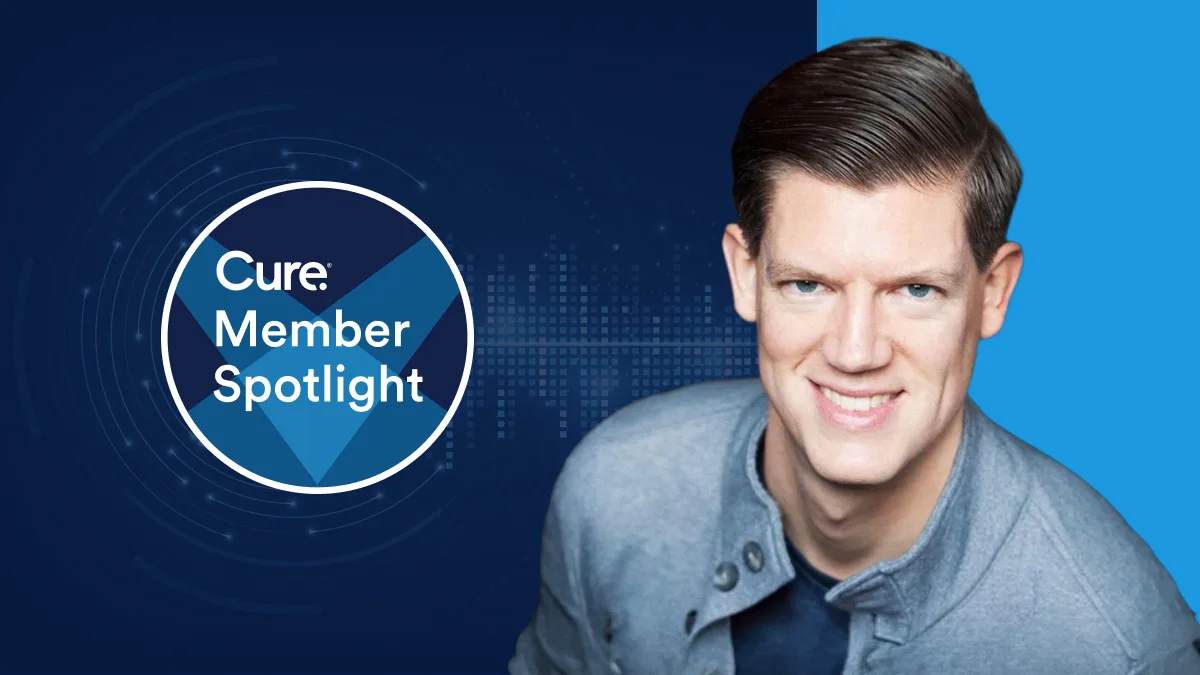
Matthieu Masselin, CEO of Wandercraft, a pioneering robotics company developing self-balancing, hands-free exoskeletons to aid mobility, shares hard-earned lessons about building a healthcare company in both France and the United States.
View the entire lesson of our Concept to Cure course: Expanding Your Business Internationally. All lessons available exclusively to Cure members.
Europe Looks for Proof; US Bets on Innovation
One of the first contrasts Masselin highlights is mindset. In Europe, investors often want comparables. Proof that something similar already exists. Evidence that the model has worked before. That preference naturally pushes founders toward iteration rather than first moves.
In the US, he sees almost the opposite instinct. If a team believes deeply in an idea and the upside is meaningful, being first is often viewed as the point. The tolerance for risk is higher when the potential outcome is exponential. That difference shapes everything from fundraising conversations to how ambitious a product roadmap can be.
For founders crossing regions, it means recalibrating how they tell their story. The same company can be framed as too early in one market and visionary in another.
Negotiation and Payers Drive Care Decisions in the US
Masselin also points to structural differences in how care is delivered and paid for. In many European systems, pricing and length of care are largely predefined. A patient stays in rehabilitation until clinicians decide they are ready to go home. Progress drives the timeline.
In the US, nearly everything is negotiated. Providers, insurers, and case managers are in constant conversation about cost, outcomes, and duration of care. That pressure creates complexity, but it also forces rigor. Teams track performance closely. KPIs matter. Every procedure has to be justified.
From Masselin’s perspective, that tension pushes efficiency and accountability, even if it adds friction. For companies entering the US market, understanding payer dynamics is not optional. It is central to product adoption.
Early FDA Conversations Change the Regulatory Game
Perhaps the starkest contrast comes in regulation. In the US, founders can engage the FDA early. You can ask questions, test assumptions, and confirm that your clinical and regulatory strategy makes sense before spending years and millions of dollars.
In Europe, that dialogue typically comes after submission. Companies may design trials, invest heavily, and only then learn that regulators are not aligned. The stakes are high, and the lack of early feedback changes behavior.
Masselin notes that many companies now go FDA-first, not because standards are lower, but because the process is clearer and timelines are defined. For an entrepreneur, that predictability can be decisive.
Operating across both systems, he says, requires cultural translation as much as technical execution. Mixing local expertise with cross-regional understanding takes energy, but it is essential for scale.
Concept to Cure Video Series
We are proud to introduce Concept to Cure, our 12-part video series built for healthcare founders and operators turning breakthrough ideas into real-world impact.
Across these expert-led lessons, biotech CEOs, venture investors, and policy leaders share the frameworks and hard-won lessons that move innovations from early concept to clinic and beyond.
From validating your market and building investor-ready business models to navigating FDA approvals, scaling commercialization, and leading high-performing teams, each episode distills the practical insights entrepreneurs need most.
Concept to Cure lessons are available exclusively to Cure members.