




Inside the Structural Reforms That Made IU Indianapolis a Translational Overachiever
How a resource-constrained university built a top-15 translation engine — and what other institutions can learn from it.
Every institute and center on this list represents the best in U.S. biomedical research. We ranked 60 institutions on their translational performance, using criteria built to reflect how these organizations operate and fund their research.
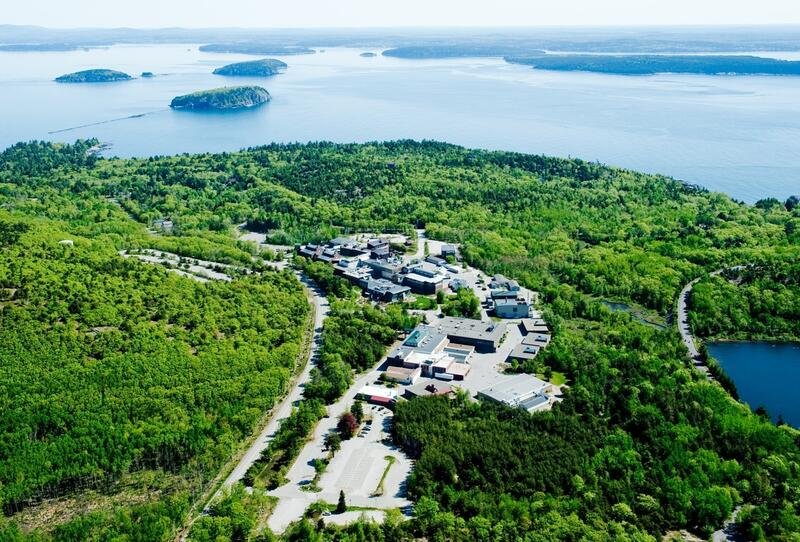
Jackson Laboratory, ranked 41st among U.S. biomedical institutes in the Cure Innovation Index, is based in Bar Harbor, Maine. The institute's strongest performance falls in market translation, placing in the upper tier among its peers; research capabilities and entrepreneurial readiness trail behind.
Learn More
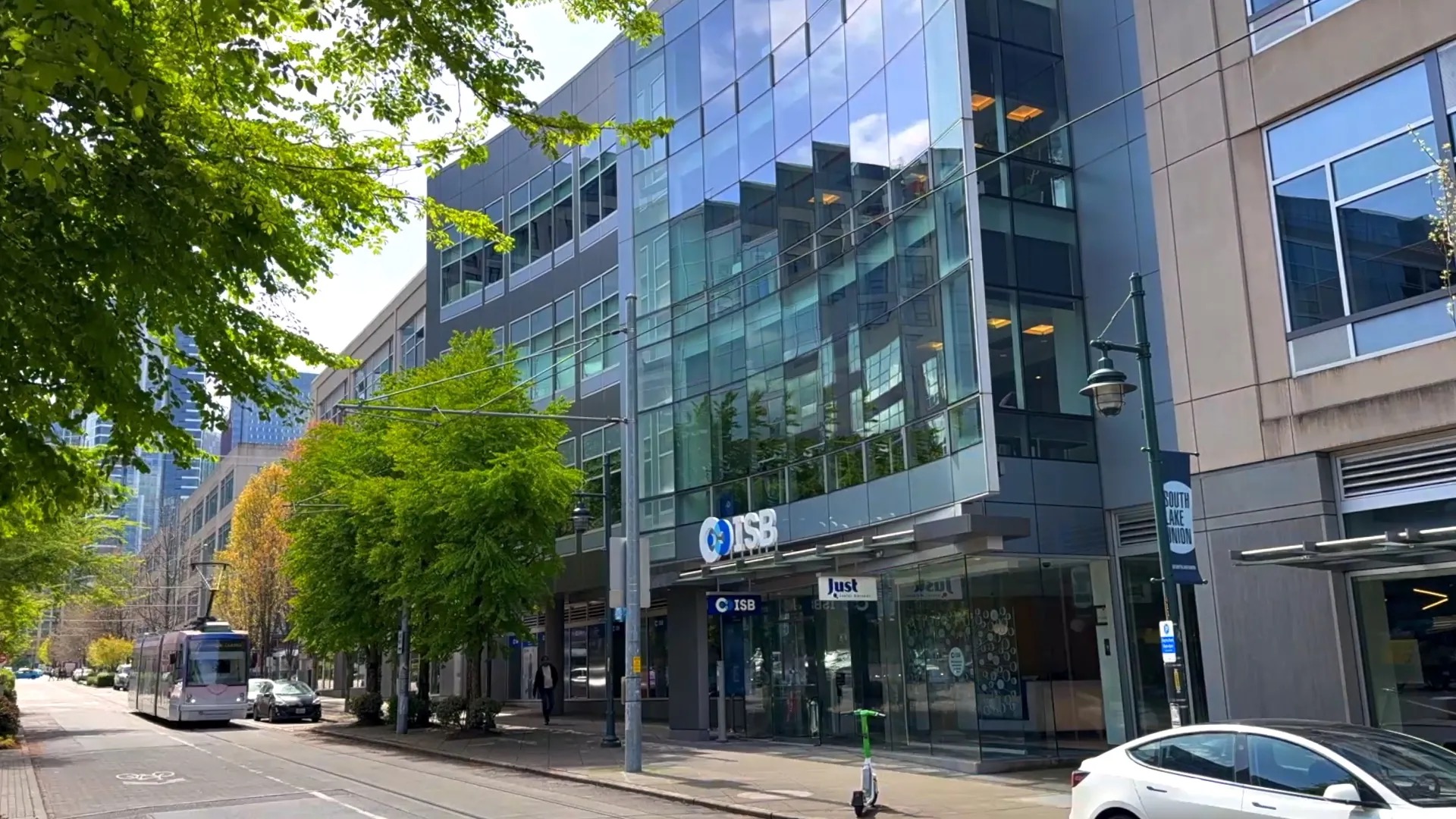
Institute for Systems Biology ranks 42nd among the 60 biomedical institutes evaluated in the Cure Innovation Index, based in Seattle, Washington. Across the three domains, the institute shows evenly distributed performance, with market translation standing as its relative strength within the biomedical institute category.
Learn More
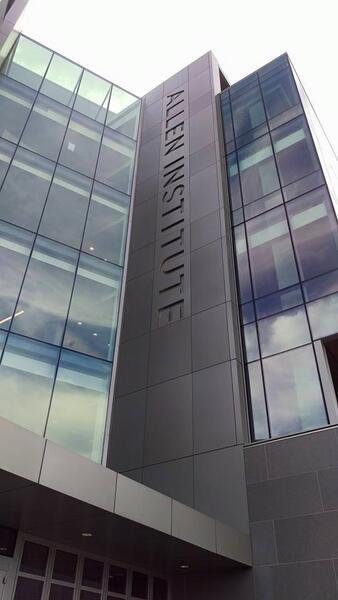
The Allen Institute ranks 43rd among 60 biomedical institutes in the Cure Innovation Index. Located in Seattle, Washington, the institute's relative strength lies in market translation, where it places 23rd among its peers, while research capabilities and entrepreneurial readiness rank toward the lower end of the category.
Learn More
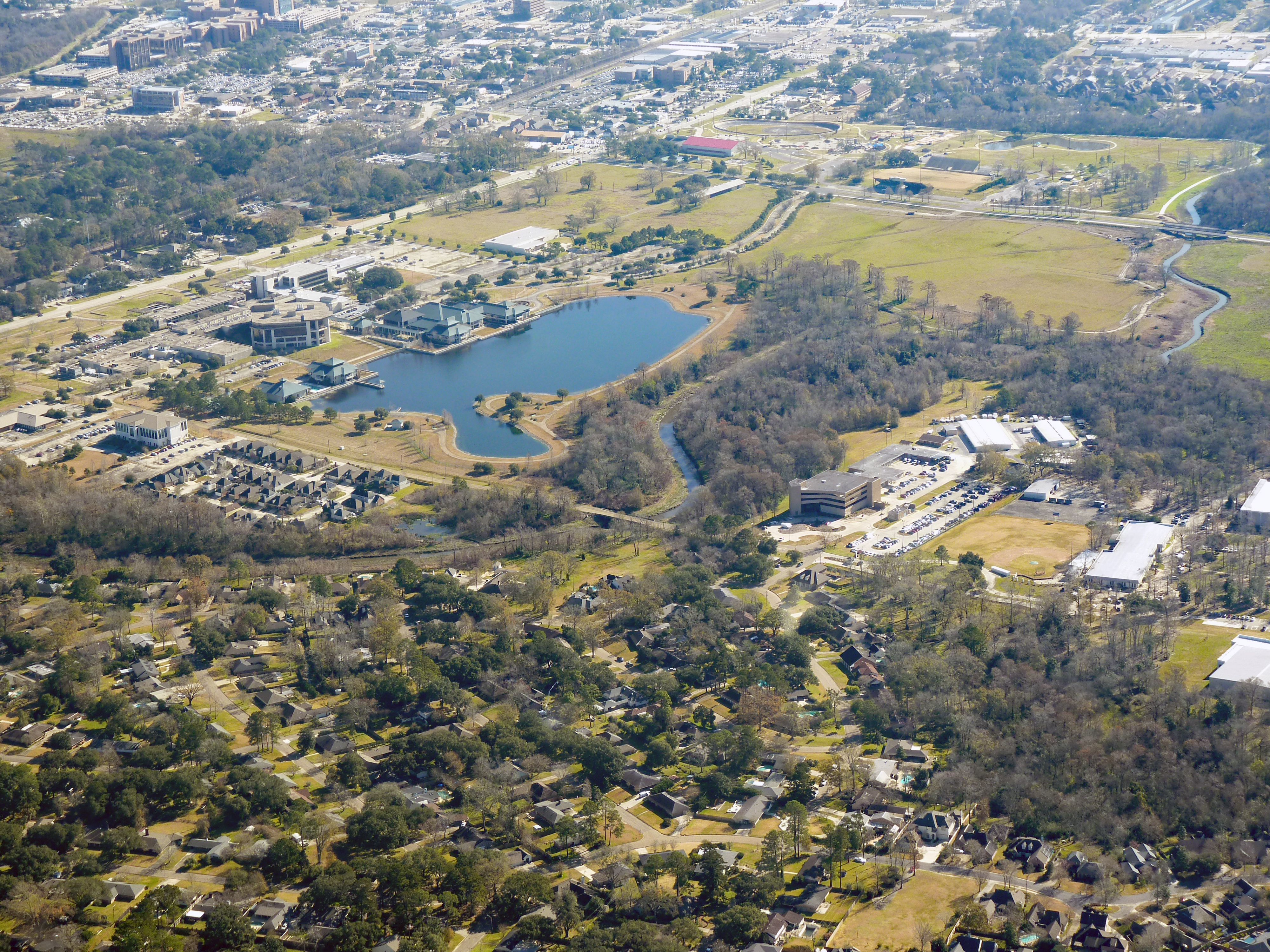
Pennington Biomedical Research Center ranks 44th among the 60 biomedical institutes in the Cure Innovation Index and is based in Baton Rouge, Louisiana. Its profile reflects a discovery orientation, with research capabilities and market translation both in the lower tier of the category.
Learn More
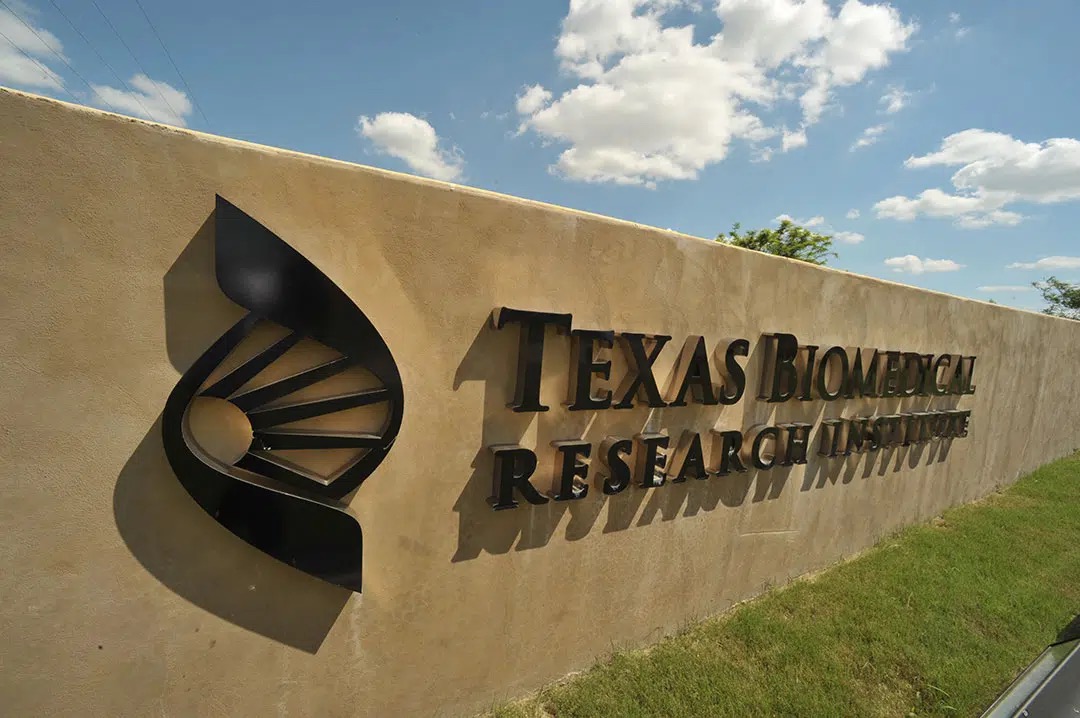
Texas Biomedical Research Institute ranks 45th among the 60 biomedical institutes in the Cure Innovation Index, and is based in San Antonio, Texas. Entrepreneurial readiness is its strongest domain, where the institute ranks in the upper half of its peer group.
Learn More
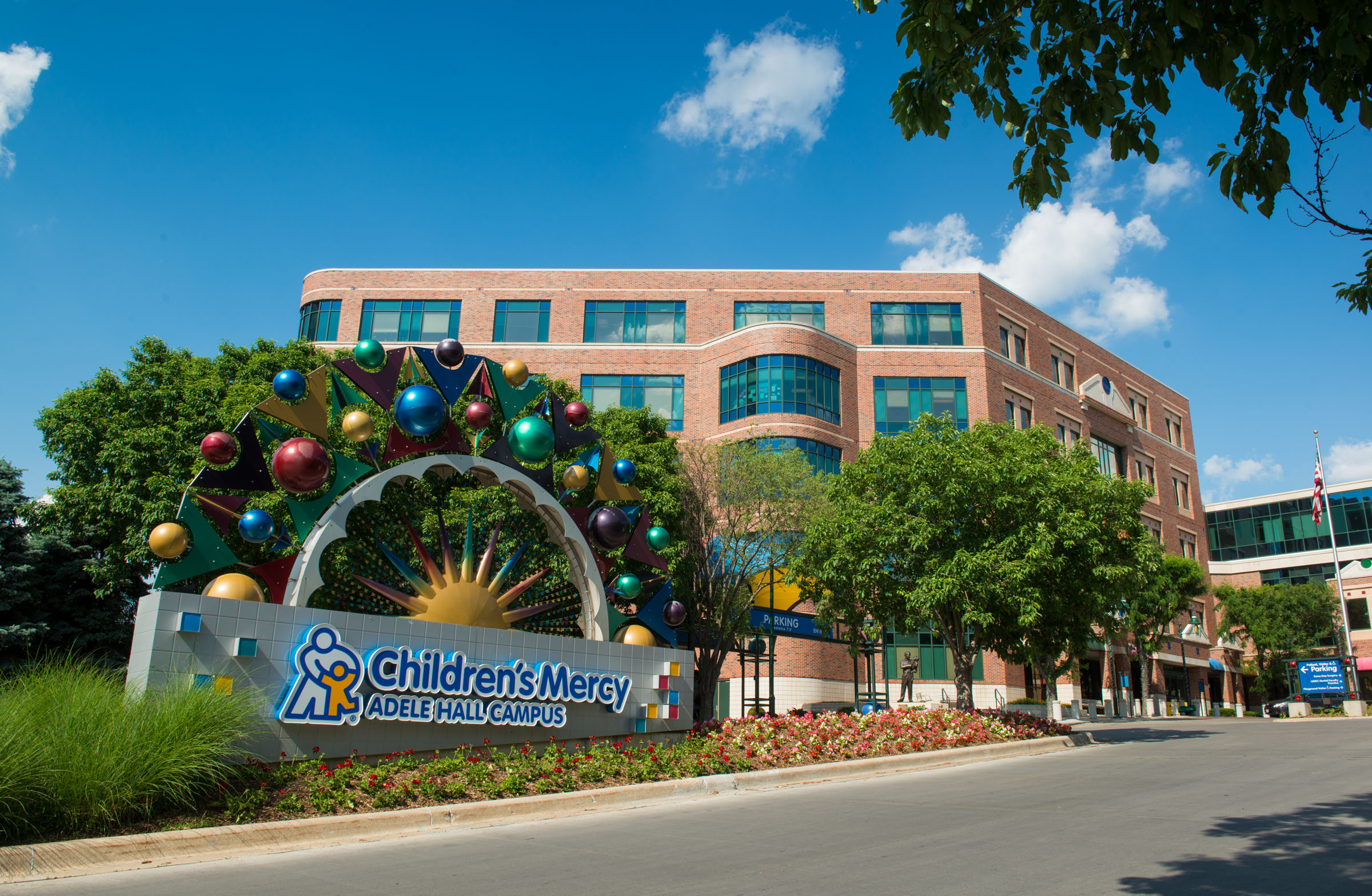
Children's Mercy Hospital ranks 46th among the 60 biomedical institutes in the Cure Innovation Index and is located in Kansas City, Missouri. The hospital's performance reflects a balance between discovery and translation activities, with research capabilities as its relative strength and market translation as its least developed area.
Learn More
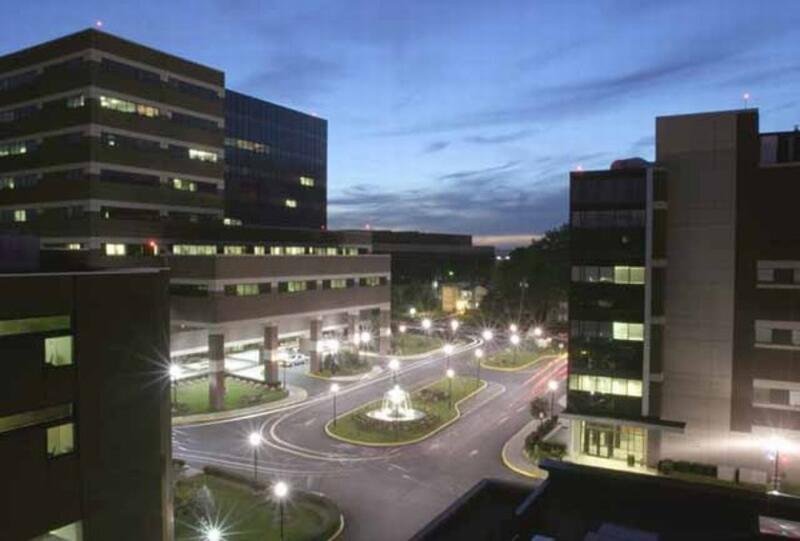
Hackensack University Medical Center ranks 47th among the 60 biomedical institutes evaluated by the Cure Innovation Index. Based in Hackensack, New Jersey, the center performs most strongly in market translation, ranking 32nd in that domain, while research capabilities and entrepreneurial readiness sit lower in the standings.
Learn More
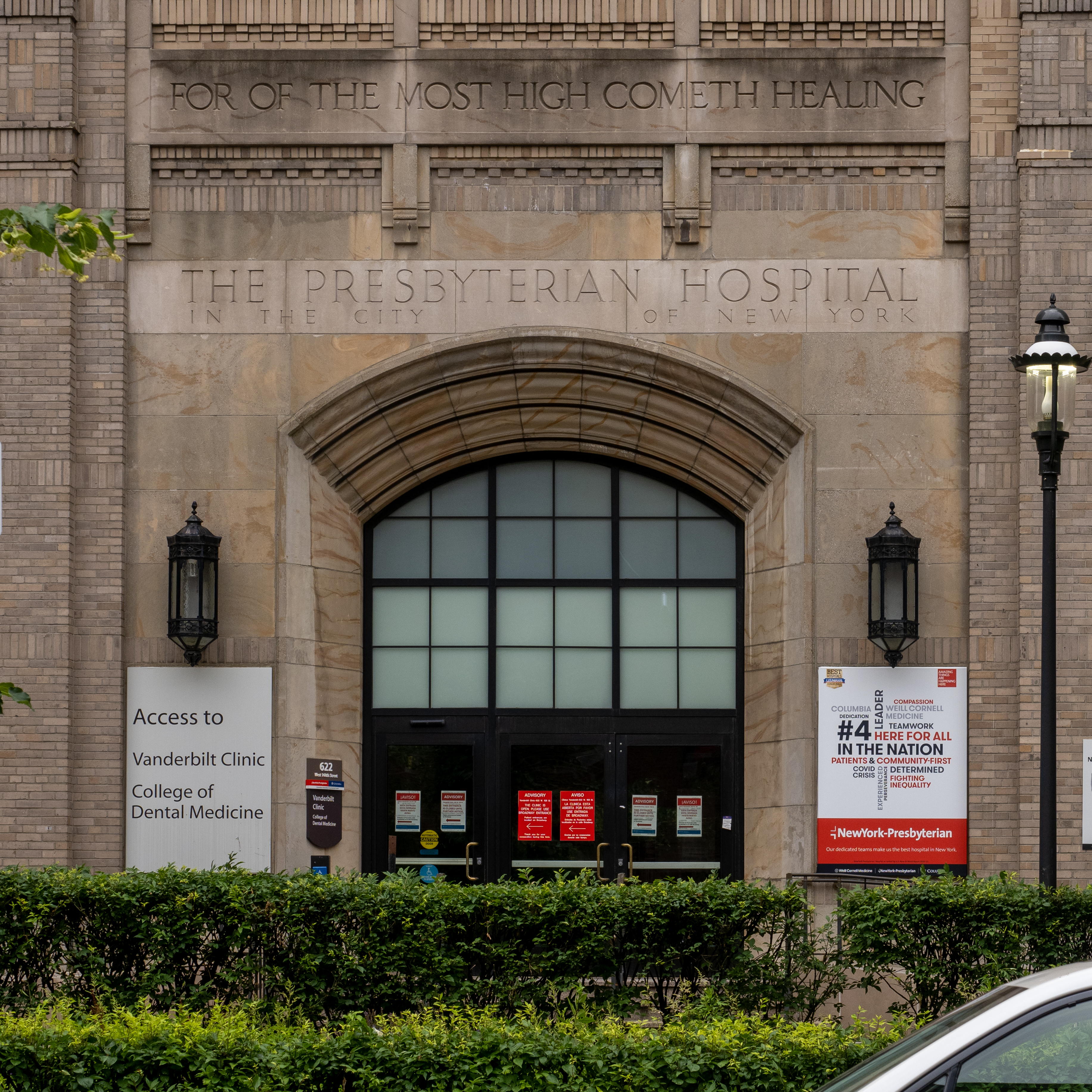
New York Presbyterian Hospital ranks 48th among 60 biomedical institutes in the Cure Innovation Index. Based in New York, New York, the hospital operates in close affiliation with two academic medical schools and functions as a center for clinical education and research in the region.
Learn More
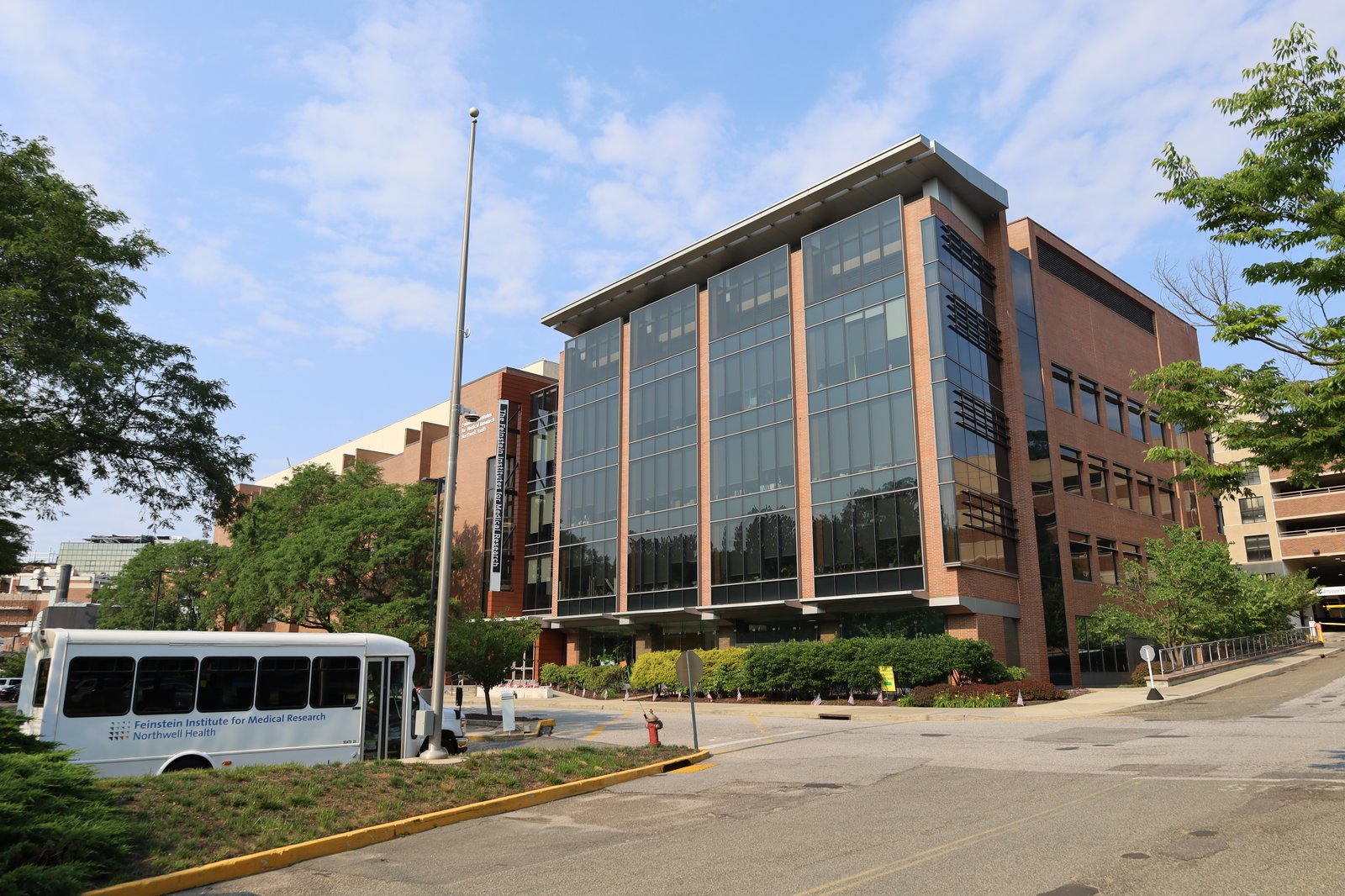
The Feinstein Institutes for Medical Research ranks 49th among biomedical institutes in the Cure Innovation Index. Based in Manhasset, New York, the institute serves as the research enterprise of Northwell Health, New York's largest health system.
Learn More
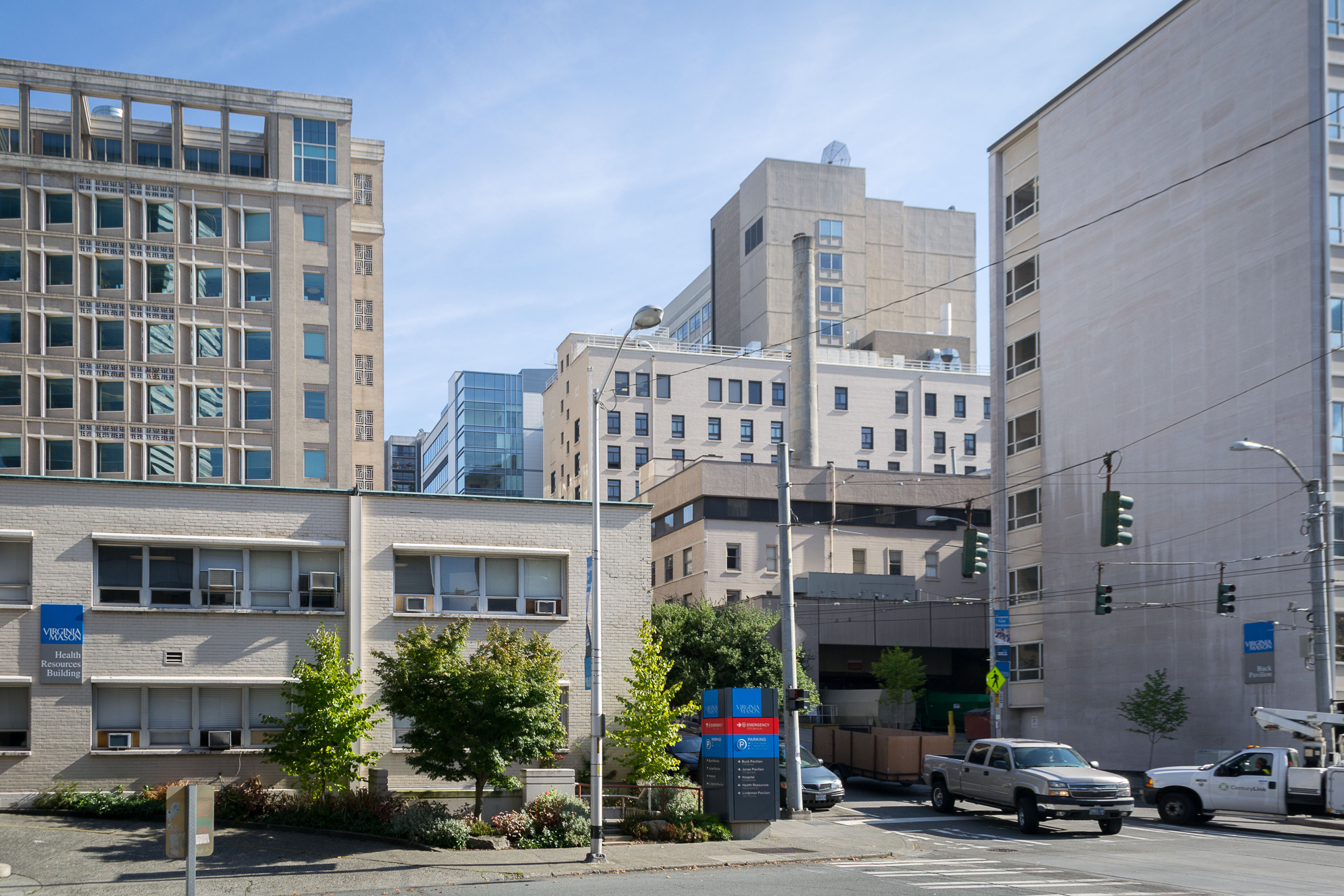
Virginia Mason Medical Center ranks 50th among the 60 biomedical institutes in the Cure Innovation Index, based in Seattle, Washington. Entrepreneurial readiness is its strongest area relative to peers, where it places in the upper half of the institute category; research capabilities and market translation reflect more limited activity within the group.
Learn More

From a pool of more than 6,000 institutions, the top 303 were ranked using two dozen indicators — from scientific foundation and lab infrastructure to patents, products, and partnerships — drawn from more than a dozen federal and commercial databases, an original audit of all institutions, and surveys of more than 3,300+ scientists, industry leaders, and biomedical experts.
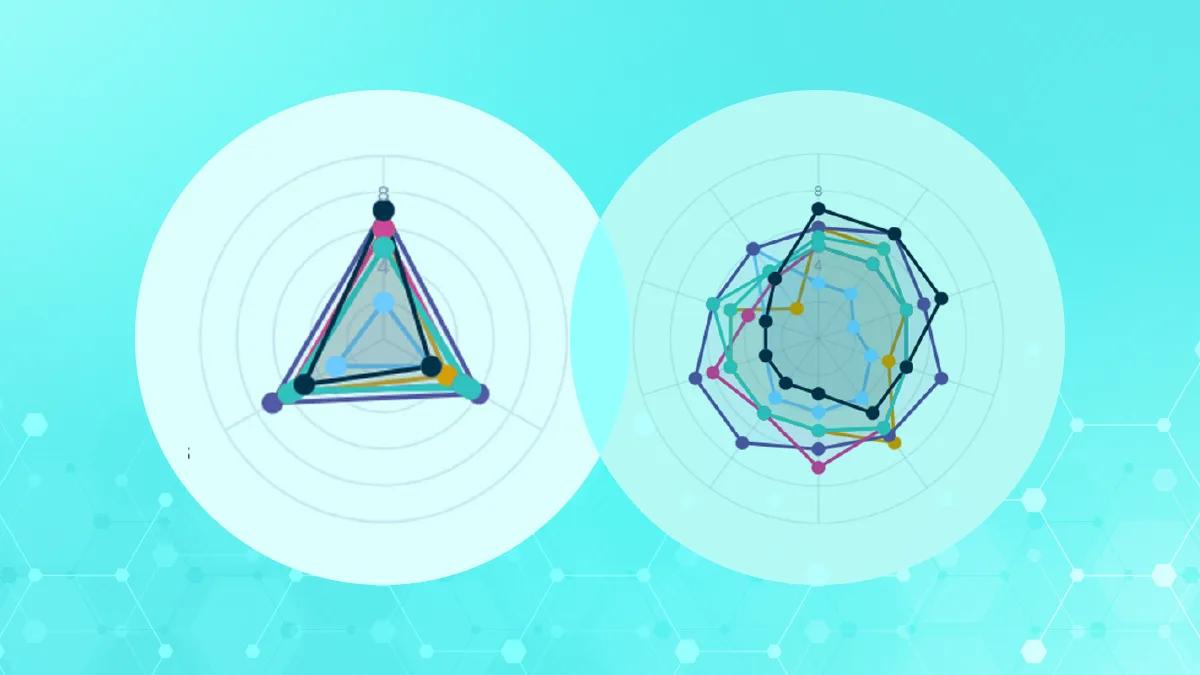
Innovation isn't a single moment — it's an entire ecosystem. The Index evaluates institutions across two dozen indicators, grouped in three core domains that reveal the full picture of what it takes to turn groundbreaking science into real-world impact.
How a resource-constrained university built a top-15 translation engine — and what other institutions can learn from it.
With 27 institutions ranked among the country’s top biomedical innovators, New York’s research cluster spans the entire state, and outperforms nearly every other in the country.

As NIH funding shrinks and industry pulls back from early-stage science, universities are rethinking how discoveries move from the lab to the market.
The Bayh-Dole Act turned federally funded research into a commercialization pipeline that built American biotech. Forty-five years later, that pipeline faces a new set of political and financial pressures that could reshape how it works.