


Cure
Overview
A Q&A with CEO of Genprex on the intravenous gene therapy platform behind Reqorsa, how the company is advancing pipelines in both lung cancer and diabetes, and what it still needs to prove.
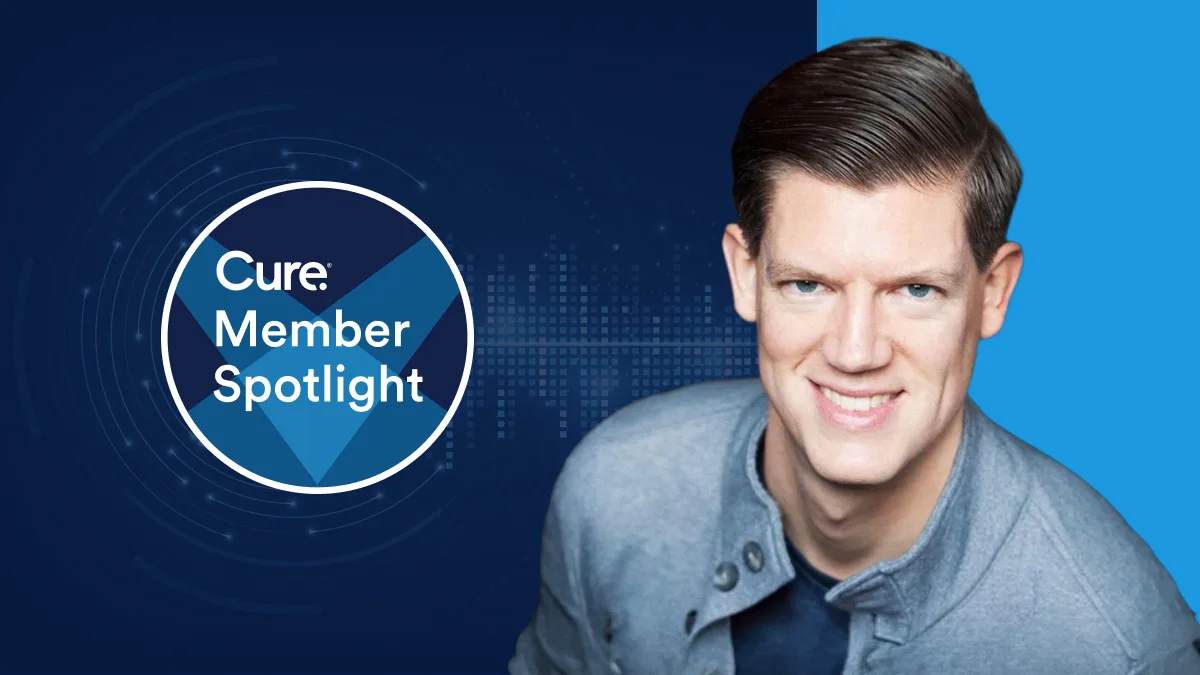
Welcome to our Member Spotlight series, where we highlight the groundbreaking work of the companies and individuals in Cure’s community.
Meet Ryan Confer, President and CEO of Genprex, an Austin-based biotech developing gene therapies for lung cancer and diabetes. Founded by two people with personal connections to cancer, Genprex has built its lead program, Reqorsa, on a decade-plus research collaboration with MD Anderson Cancer Center.
We spoke with Confer about the science behind the company's intravenous delivery approach, how the company thinks about advancing two distinct pipelines, and what Genprex still needs to prove.
Genprex was founded by two people who experienced cancer firsthand. How does that personal connection shape the way the company operates today?
Cancer impacts everybody, whether it's a personal diagnosis or somebody you know. As a publicly traded company, we get a lot of business questions such as "who is your competition?" That question has always bothered me because it fails to consider the personal element involved in our scientific pursuits. We are working collectively with the industry to move the market forward and give people greater treatment options to extend survival and quality of life in lung cancer, because we are all affected in some way.
Most gene therapies for cancer are delivered directly into tumors. Genprex took a different approach with a systemic, intravenous platform. What made that the right bet, and what did it take to get there?
Our approach is rooted in cellular biology around tumor suppressor genes, or those genes that act as a brake pedal for the body to suppress cancer cell growth. Our researchers identified that a specific tumor suppressor gene, TUSC2, was systemically reduced or eliminated in people with lung cancer. Our approach is to reintroduce this tumor suppressor gene back into patients so the gene can help the body reapply the brake pedal to cancer cells. Cancer evolves in a lot of different ways, and you need lots of tools to combat it. We hope that Reqorsa can play a vital role in suppressing cancer growth, and we are looking to enhance the benefit by combining it with other therapies.
The Reqorsa platform has roots in research at MD Anderson that goes back years. Where does the program stand today, and what was the hardest part of getting it to this point?
Genprex grew out of the research and lab of Dr. Jack Roth, a thoracic surgeon and cancer researcher. Genprex has sponsored research at MD Anderson since the company was founded in 2009. In our early years, research focused on identification of tumor suppressor genes, delivery of these genes, and toxicology and tolerability studies. More recently, the research has shifted to seeking a deeper understanding of the mechanisms of action and identification of biomarkers to better predict the response of tumor suppressor genes in certain cancer patient populations. Lung cancer has poor prognosis and is difficult to treat. With no practical cure, the key challenge for every potential treatment is to understand how the treatment is working and how it can work in combination with other therapies to provide the best survival outcome for patients.
You have clinical programs in lung cancer and a diabetes pipeline built on a different delivery mechanism. How do you think about where to focus when the platform opens up multiple paths?
In the case of our diabetes platform, we use two transcription factors that work together to help convert alpha cells into insulin-producing beta cells (important for Type 1 diabetes) and rejuvenate exhausted beta cells (important for Type 2 diabetes). Our research in diabetes has been based around using a viral vector to deliver these transcription factors. One of the biggest challenges in developing a T1D therapy is being able to counteract the body's immune system that innately attacks the insulin-producing beta cells. Given our deep understanding of using a non-viral delivery approach for oncology, we've explored ways to deliver our diabetes program using a non-viral platform. Unlike a viral approach, a non-viral approach could, theoretically, allow for repeat dosing of a potential diabetes treatment, which could be particularly useful against the innate immune responses to T1D.
Gene therapy has gone through cycles of hype and skepticism from investors. As a publicly traded company navigating that, what's the biggest misconception you find yourself pushing back on?
When we went public in 2018, most investors told us they didn't think we'd ever be able to scale a lipid nanoparticle delivery mechanism. The world proved that LNPs were scalable when COVID vaccines were developed and scaled very quickly using LNPs. Right now, the biggest misconception I push back on is that Genprex must have a key competitor. When you look at how cancer continues to evolve and evade therapies and immune responses in different ways, there are numerous pathways and therapeutic angles that can be useful for different patients depending on their personal and genetic differences. I see Genprex doing our part and contributing to a larger mission: building a large enough toolbox of treatments to give patients the variety of resources they need to fight their individual cancer battle.
What does Genprex need to prove in the next 12 to 18 months?
In oncology we've demonstrated a strong safety profile, significant cases of extended progression-free survival, and single-agent activity in very difficult to treat cancers. In diabetes we've demonstrated our ability to transform alpha cells into insulin-producing beta cells and make an impact on glucose control in animal models. There is always more work to be done. The promise of biomarkers could potentially help identify patients who may respond well to Reqorsa, and we're making progress in our preclinical diabetes research and advancing our programs into toxicology studies so we can develop plans to test a diabetes treatment in humans.
As you join the Cure community, what kinds of connections or collaborations would be most useful at this stage?
We have a strong history of collaborations and have worked with several academic and research organizations. We are always looking for oncology researchers to expand our understanding of the role that tumor suppressors play in various cancer indications. We are also interested in deepening our understanding of the autoimmune response to T1D.