
Cure
Overview
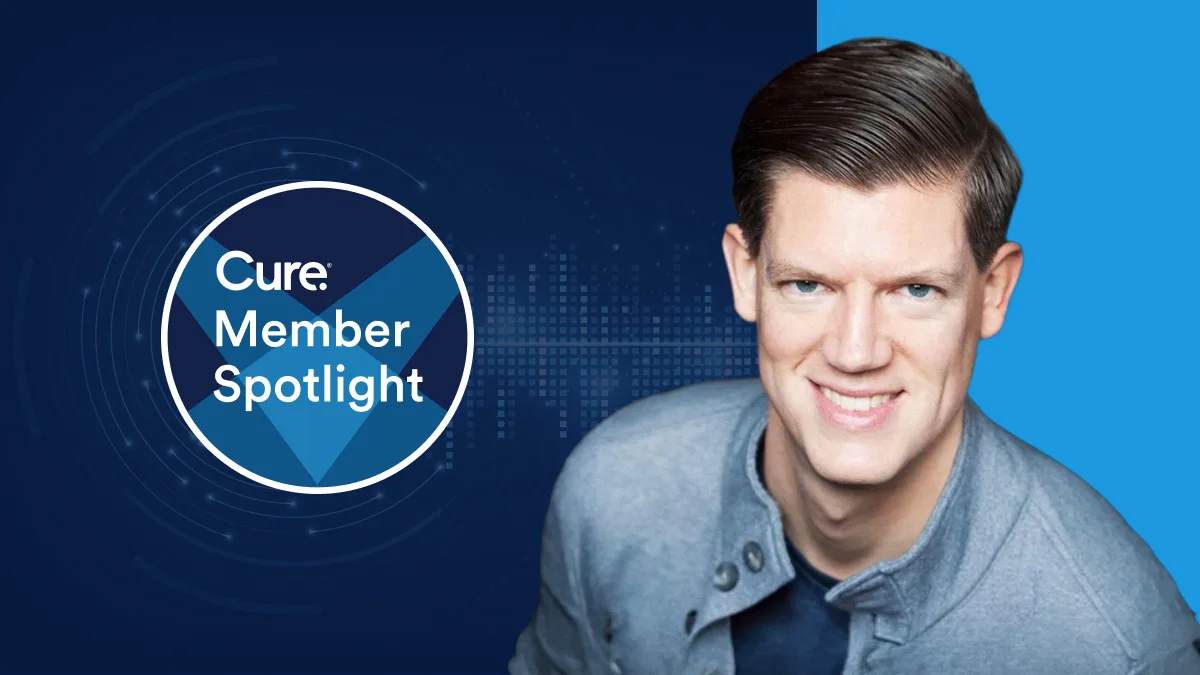
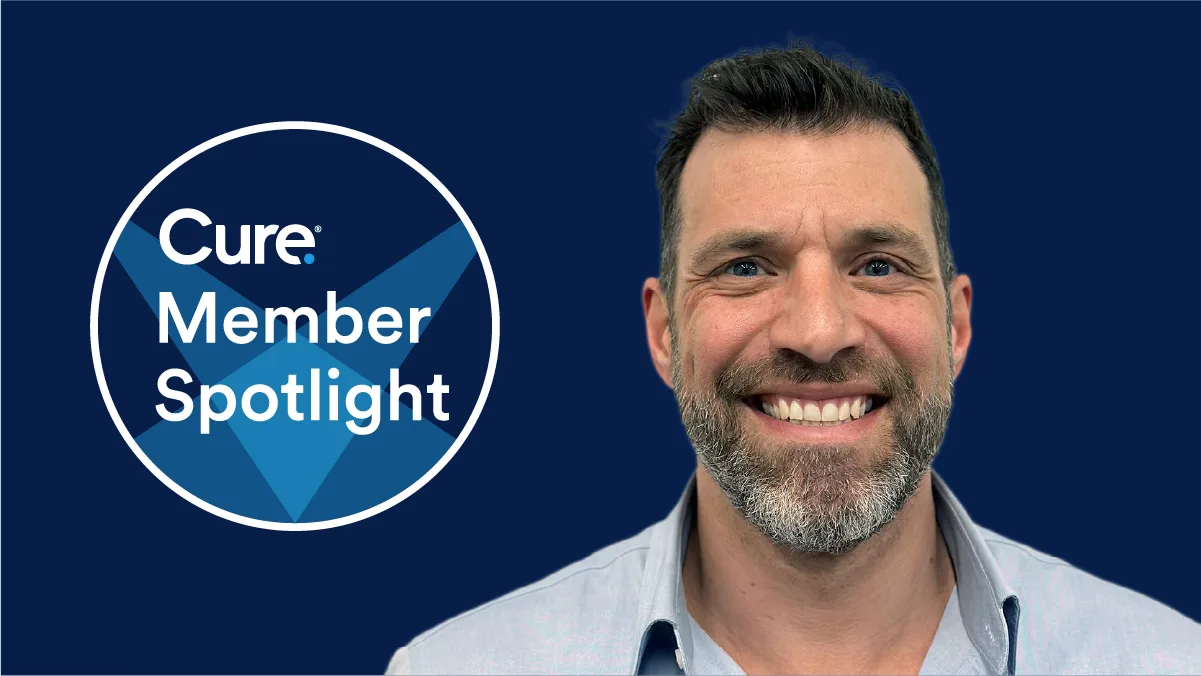
With no background in healthcare, Robert Gangi turned a Google search into a mission to stop ventilator-associated pneumonia (VAP), transforming an overlooked ICU problem into a venture-backed medical device company.
Before founding Lindo Life Science in 2022, Cure member Robert Gangi worked in an electrical business with his family in Australia. Looking for a way into healthcare without a background in academia or life sciences, he started with a simple Google search.
"There's got to be a problem to solve before you start anything, so I googled ‘top 5 problems in healthcare,’” Gangi said. Ventilator-associated pneumonia (VAP) was third on the list.
One of the most common infections among patients on mechanical ventilators, VAP develops when bacteria build up on the breathing tube, forming a biofilm, and are inhaled into the lungs. Affecting up to 40% of ventilated patients and carrying mortality rates that can reach 50%, VAP is one of the deadliest and costliest complications in intensive care.
It was a problem Gangi believed he could solve.
At the time, he had never heard of VAP and didn't know what an endotracheal tube or biofilm was, but realized the antimicrobial light technology his electrical company was already using in healthcare settings could potentially kill the pathogens that form the biofilm. He wondered whether that light could be built directly into the breathing tube itself.
“Why don’t I just make a tube made out of light?” he recalls thinking.
Three years later, that idea evolved into the company's Lindo Tube program, a breathing tube designed to reduce VAP using antimicrobial blue-light technology.
To date, Lindo Life Science has secured a $2 million Australian government grant, raised $500,000 from investors, and launched a seed/pre-Series A fundraising effort of up to $8 million to bring its technology to market.
An Unconventional Path
Gangi believes his unconventional background helps him approach healthcare challenges differently. His role was never to be the smartest technical person in the room, he says, but to understand the problem from a broader perspective and then assemble the right team to solve it.
Over the years, he has built an advisory board, partnered with Mayo Clinic, and worked with engineers, clinicians, and other specialists to develop the Lindo Tube. "What I do is surround myself with some really smart people and really smart teams that give me the skill set that I don't have."
One of the turning points for Lindo Life Science came when Gangi approached Mayo Clinic. Initially, the organization declined to get involved. Rather than accept the rejection, Gangi pushed for face time with the healthcare giant, flying from Australia to California for a 30-minute pitch.
"I'm pretty tenacious."
The gamble paid off. Mayo Clinic ultimately entered into a know-how agreement with the company, giving Lindo Life Science access to a world-leading healthcare organization as well as a level of credibility that helped open doors with other partners and advisors.
Gangi remains a firm believer in meeting people in person whenever possible.
"There's an energy that you can feel within a room. You can read what's happening so much better from the other person," he said. "Even when you're doing a pitch, whatever pitch it may be, you can change your narrative, you can change your style really quickly to suit the needs of the person you're pitching to."
The Emotional Toll of Building in Biotech
For Gangi, the most difficult part of building Lindo Life Science hasn't been inventing new technology. It's been navigating the personal and professional pressures that come with leading an early-stage company.
He said one of the biggest psychological challenges is the pressure of managing cash flow. Unlike the electrical business he previously ran, where the sales cycle was shorter and payments were more predictable, generating the revenue and funds to continue R&D on a medical device has been far more expensive than he expected.
At times, he said, the company has been focused on finding enough money to make payroll, whether through grants, investors, or his own personal funds. “You pay everybody else before you pay yourself,” he said, and there have been times when he’s gone without pay.
One of the lowest moments came before a family vacation to Sri Lanka. The night before the trip, Gangi was reviewing the company's grim finances when he broke down. "I cried for like a full hour uncontrollably," he said.
A week later, while on vacation with his wife and two children, he learned the company had been awarded a $2 million Australian government grant for the Lindo Tube. Overcome with emotion, he broke down again. His daughter gave him a hug and told him, "Well done."
Managing the Pressure
To help manage the pressure, Gangi sought out a mentor through an Australian government entrepreneurship program. Initially he sought help building his business, but it ultimately improved his personal life too.
One of the first issues Gangi worked through with his mentor was the toll constant travel was taking on his family life. After returning from trips exhausted and short-tempered, he realized he wasn't showing up for his wife and children the way he wanted to. Conversations with his mentor helped him rethink how he travels and how he reconnects with his family when he gets home.
His mentor, Tony Frencham, now chairs his advisory board and helps him work through both professional and personal challenges. “It's been incredible for my growth, and I wouldn't be here without it," he said.
More recently, exercise has become an important way Gangi manages stress. He combines strength training, running, basketball, and regular sauna and ice-bath sessions, calling the routine "one of the best things" he has added to his week.
The Hard-Earned Lessons
Four years into building Lindo Life Science, Gangi said that company building has been a lesson in humility as much as innovation.
Alongside keeping a close eye on cash flow, a key lesson he's learned is the importance of listening. One of the biggest mistakes entrepreneurs make, Gangi said, is assuming they need to become experts in every aspect of the business.
"If you've invited someone into the room, or you've got someone in your company, they're there for a reason. You pay them the attention they deserve, and you listen to them."
Rather than trying to become an expert in every aspect of product development, regulatory strategy, reimbursement, and fundraising, Gangi has focused on finding people who already are.
It's a philosophy that has guided the company from a Google search to a growing medical device startup with government funding, institutional partners, and ambitions to bring its technology to market.
"It was me when I founded the business, and me only,” Gangi said. Today, the company has four employees, an advisory board, and between 10 and 15 contractors and engineers working on various projects.
And despite the uncertainty that comes with building an early-stage biotech company, Gangi said he still approaches the challenge the same way he did when he first discovered ventilator-associated pneumonia: as a problem worth solving.