


Cure
Overview
A Q&A with the founder of Rhizome AI, on why regulatory affairs teams are still searching PDFs by hand, and what it will take to give them something better.
Welcome to our Member Spotlight series, where we highlight the groundbreaking work of the companies and individuals in Cure’s community.
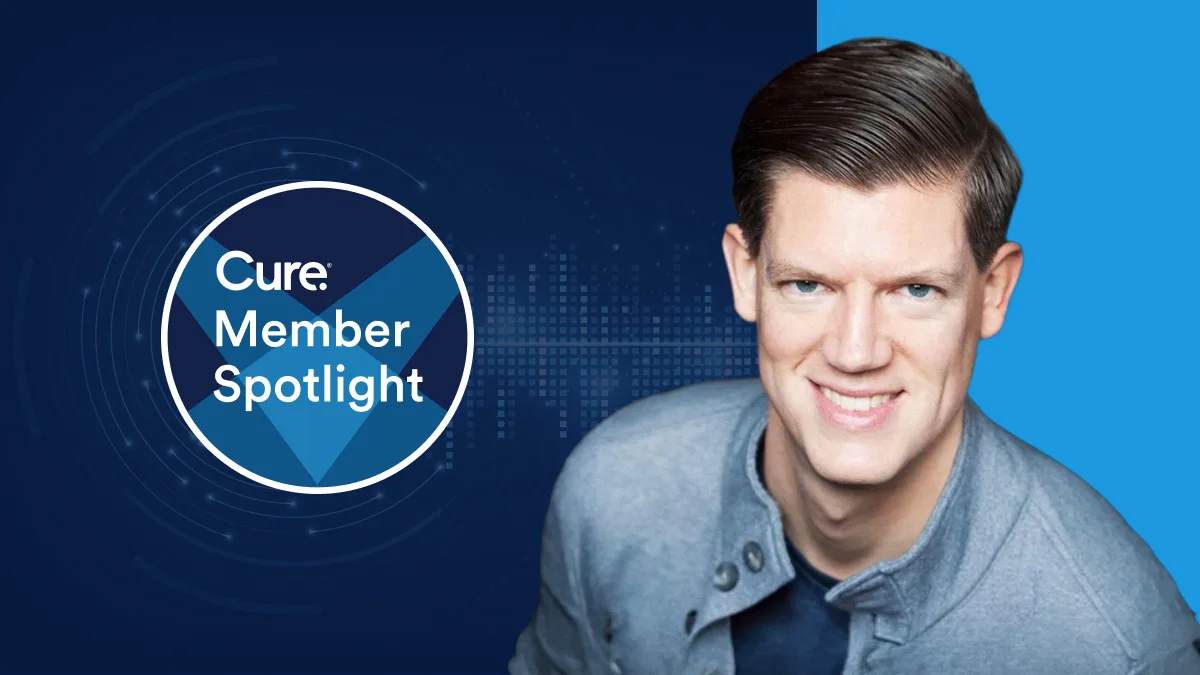
Meet Chetan Mishra, founder of Rhizome AI, a platform built to give life sciences professionals fast, reliable access to regulatory intelligence. Rhizome draws on public domain regulatory and clinical data to help biotechs and medical device companies prepare for FDA interactions, design clinical trials, and navigate their path to market, all without the hallucinations that have made AI a hard sell in a field where a bad citation can cost years. We spoke with Chetan about the gap between what AI promises and what it actually delivers in life sciences and the data infrastructure problem that needs solving before the industry can move forward.
Tell us about Rhizome. What problem are you solving and why did you decide to build this?
We help life sciences know what their regulator thinks. Folks use us to help design regulatory strategies, design clinical trials, prepare for regulator interactions, and answer all the questions that can pop up while bringing products to market.
We have an industry that has incredibly smart, well-trained scientists spelunking in PDFs trying to find info across health authority websites. That seems like a travesty when there’s so much more important work to be done. We built Rhizome to give each life sciences professional the info they need, ASAP.
There are other AI tools out there promising to help life sciences companies navigate the FDA. What makes Rhizome different?
I like to focus on our customers instead of the competition. When I talk to my customers, 95% of them are still stuck doing this manually. Even if they’re a large company subscribed to legacy reg intel products, those products are glorified keyword searches charging >$20k/yr per seat and the user is still stuck doing it manually.
Some of those companies have rolled out AI features, but they’re just poorly done. So the industry is left wanting more. With Rhizome, our customers get an answer without hallucinations citing up to 1,000 references.
Regulatory affairs teams are notoriously skeptical of new technology. How do you win them over?
We make it really easy to get started - $400/month/seat with no commitment required. Once customers start using the product, they are quite happy with it. The proof is in the pudding.
More generally, we’ve picked a good problem to tackle with AI. It’s easy to verify whether a specific precedent is correct, just click the citation and Rhizome takes you to the exact page it’s from.
Who are your customers right now and what are they using Rhizome for?
The majority of our revenue comes from biotechs and medical device companies that are <1000 people. They’re using it to prepare for FDA interactions, figure out their path to market, design clinical trials, design human factors trials, etc.
Where do you see this going? Is Rhizome a research tool or something bigger?
If you talk to the folks on the ground level, the copilot rollouts in the industry haven’t really done much. They provide a universal way to edit emails and that’s about it.
The key thing the industry is missing is the data infrastructure to enable AI to effectively interact with legacy systems like QMS, DMS, LIMS, RIMS, etc. Even when agents are connected to these systems, they’re connected via a straw when they need much, much more.
That’s what we’re building. We’re starting off building this data infrastructure with all the public domain regulatory and clinical data, but the next step will be extending this to private, company-specific data so AI can help companies bring more and even safer products to market.
As you join the Cure community, what kinds of connections would be most useful at this stage?
It would be awesome to have more in-person events in the community. That’s where real relationships are built, especially if the events are themed after a specific topic or domain.