
Overview
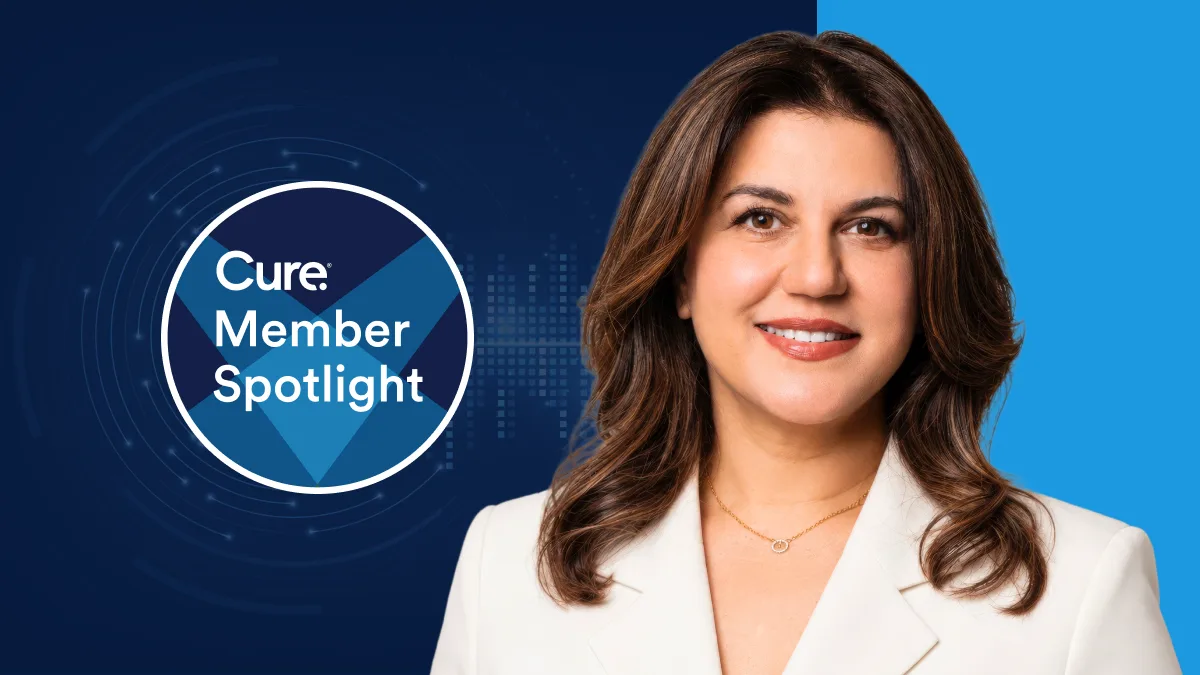
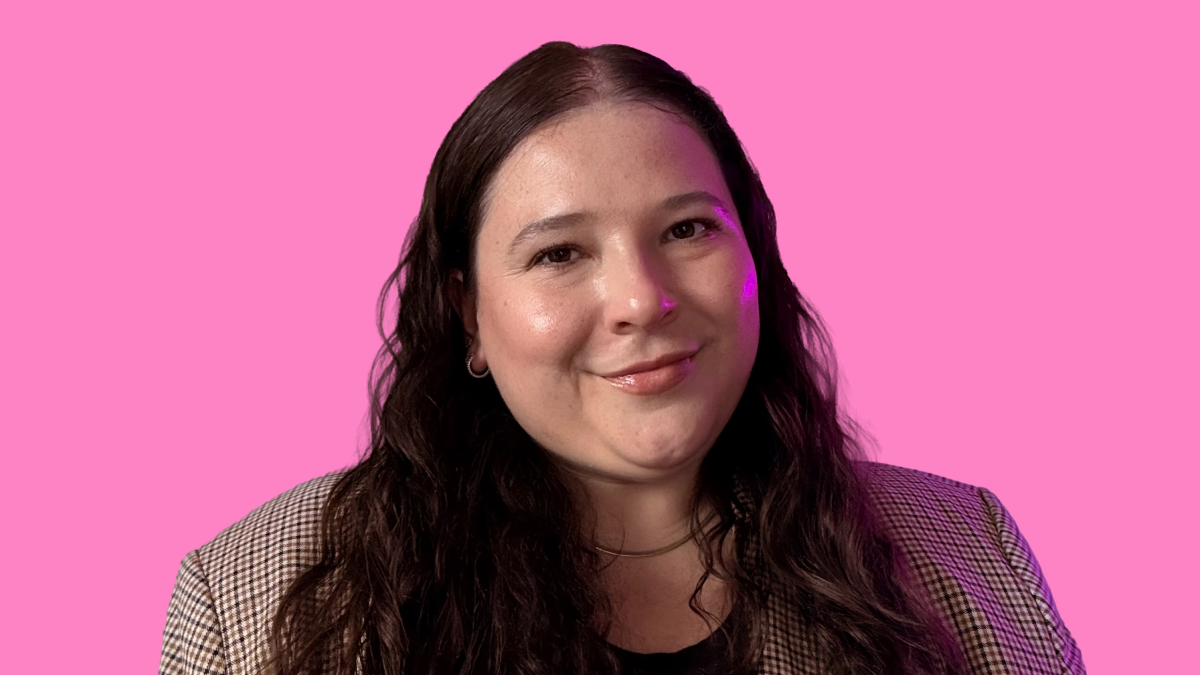
CobiCure CEO Michele Cleary, PhD, on finding second lives for drugs through the right introductions, and what founders can learn from it.
For Michele Cleary, PhD, and her team at the nonprofit CobiCure, two well-timed conversations sparked their first drug program. One was with Asha Therapeutics, a biotech developing drugs for ALS and Parkinson's disease. The other was with a family whose daughter is at risk for autosomal dominant optic atrophy (ADOA), an inherited disease that causes progressive vision loss, typically starting in childhood. No treatments are available for ADOA.
Asha's drug, ASHA-624, blocks a protein called SARM1. Researchers at Boston Children's Hospital had found that removing SARM1 preserved vision in mice with ADOA.
"We knew both groups," Cleary said. "So we connected them."
CobiCure's parent nonprofit, Advancium Health Network, funded studies of the drug in mice with ADOA.
"Now that we have data, it's looking really good and giving us the confidence that we should take this into the clinic.”
Cleary has seen drug development from several sides. She held senior roles at Bristol Myers Squibb and Merck Research Laboratories, and she was the founding CEO of The Mark Foundation for Cancer Research, which funds cancer research. After serving on the board of Advancium, an independent charitable organization formed by Deerfield Management and the Deerfield Foundation, Cleary joined its staff in 2024. In December 2025, she became CEO of Advancium and CobiCure.
Finding Drugs Worth a Second Look
At CobiCure, Cleary goes after drugs for rare childhood diseases that drug companies have set aside. "We look for promising treatments that get stuck, not because there's anything wrong with the approach, not because of safety issues, but really because they can't get the funding they need because it is a small market," Cleary said.
Each later stage of drug testing costs more than the last, and drug companies and their investors weigh that cost against a drug's odds and the size of its market. For a drug that serves a small group, such as children with a rare cancer, the cost often outweighs the potential sales.
CobiCure takes ownership of those drugs, then raises the money to develop them. Cleary's team looks for ones with data already behind them, from lab models, from testing in people for another disease, or from a pharma company's shelf. So far that search has turned up the ADOA work and a second program that will soon join it. The goal is to take both into clinical trials in children.
Giving an Abandoned Cancer Drug a New Path
CobiCure’s second program, for a childhood cancer called neuroblastoma, reached Cleary a different way. The drug had been tested in adults with cancer before its development stopped for business reasons, and Cleary’s team decided to give it a second look. Cleary saw a use for it in children. Earlier research had linked the drug's target to neuroblastoma, a cancer of immature nerve cells that mostly affects young children, and Cleary knew the scientists behind that work.
Children whose neuroblastoma returns after treatment face poor odds. A 2018 review put five-year survival after a first relapse at about 20 percent.
The team spent most of the past year evaluating this drug, and CobiCure expects to take ownership at no upfront cost. Plans call for testing it in children with Memorial Sloan Kettering Cancer Center at neuroblastoma trial sites in the United States and Europe.
"This will open up a new option for those patients," Cleary said.
Building the Relationships That Move Drugs Forward
CobiCure relies on outside partners, including scientific advisors and the companies that run its studies. Cleary advises founders to start with a full list of options, research each one, then meet the strongest candidates. People who have worked with a partner before can tell you what your research cannot.
"What's always worked best for me is a warm introduction," she said.
She also encourages founders to invest in relationships and put them to use. "Number one, build the network," she said. "That's the starting place. And then use the network."
The same skills apply to fundraising. CobiCure raises money from outside funders for each project, and that work depends on telling a clear story and understanding each funder's goals.
Cleary's own network is shaping what comes next. Working on the neuroblastoma program connected her with pediatric oncologists and institutions focused on childhood cancer, and she plans to draw on those relationships to add a second pediatric cancer drug.
She sees Cure as another place to build those connections. A few members have already introduced her to people whose work or background overlaps with hers, and she wants to meet more. "I would love to get introductions to potential partners for us," she said, "and on the same token, introduce people to people in my network who might be interested in what their companies are doing."