
Cure
Overview
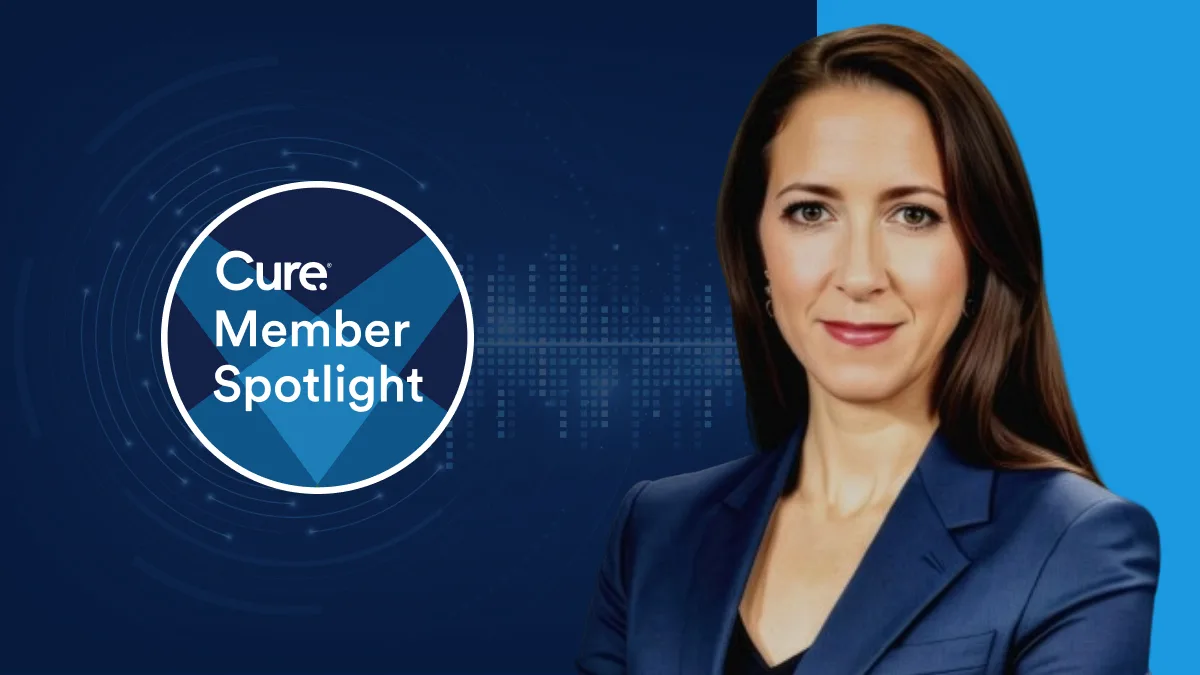
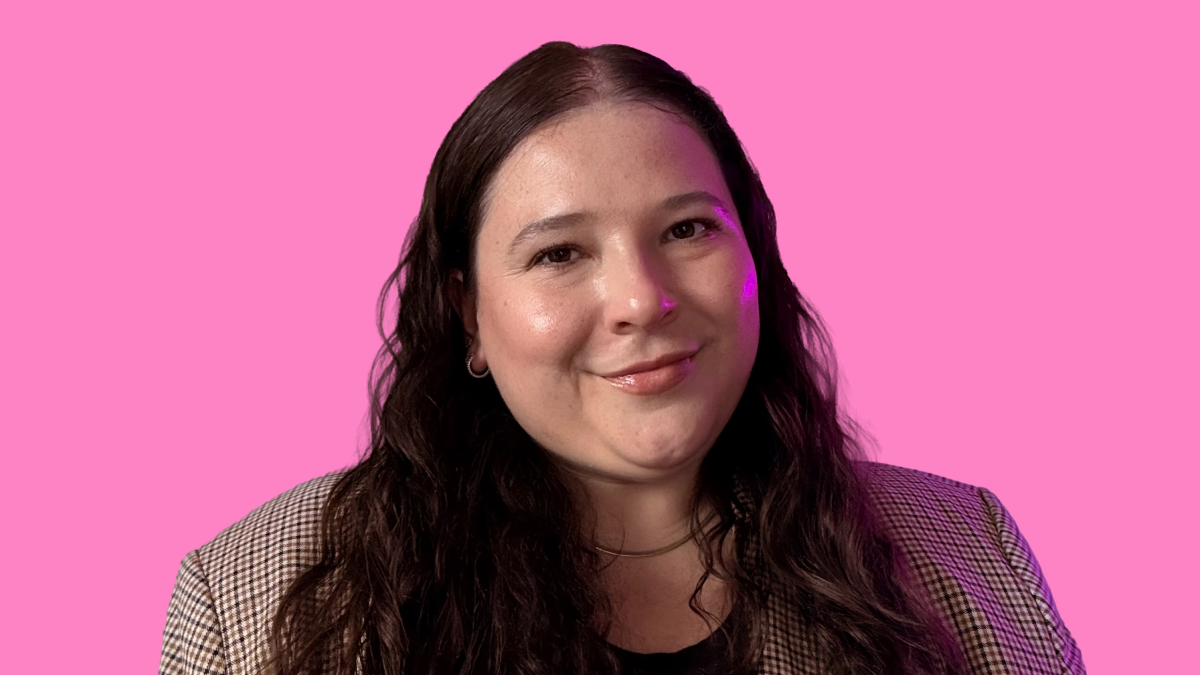
Noma Saeed, COO of a cardiology practice who became a patient herself, founded Everra Health to pull scattered patient data into one report, with the evidence behind every finding.
For more than a decade, Noma Saeed has been chief operating officer of a private cardiology practice she runs with her husband. She has seen up close how much a cardiologist has to do in the roughly 10 to 12 minutes they have with each patient: review the latest lab results, check the medications, remember the patient’s history, and listen with care. Much of that information arrives in pieces before the visit, some through the electronic health record and some by fax, and staff scramble to get it to the doctor in time.
“The cognitive load on the physician is huge,” she said. “Bringing all of this information together actually takes real work.”
Three years ago, Saeed faced the same scattered information as a patient. She was diagnosed with a brain tumor and wanted someone to help her understand how her results fit together and what they meant for her. “All of a sudden I experienced all of this as a patient,” she said.
After she recovered, Saeed decided to put those experiences to use. “I just wanted to make the appointments work better for people inside of them,” she said. She founded Everra Health to bring a patient’s information together for doctors in one place. Everra turns a patient’s health data into a single report that shows each finding and the evidence behind it.
Saeed has spent her career making complicated information easier to use. As a software engineer in the late 1990s, she worked on NetPost, a United States Postal Service project to move mail and paperwork online. “I became kind of addicted to that,” she said. “I loved making things easier.” At the cardiology practice, she built custom templates for the doctors’ electronic health records.
Saeed, the company’s founder and CEO, and her team have built the first version of Everra without outside money. Building it has meant earning doctors’ trust in every report. Now it also means learning what it takes to fund and sell a software company.
Clinical Data Doctors Can Trace
Everra’s report pulls clinical findings, relevant history, and supporting evidence into one place. It also flags what information is missing, so a doctor does not mistake a gap for a normal result. Each conclusion in the report can be traced back to its source. For every finding, the doctor can see the patient data it drew on, why it was flagged, and the citations behind it. The doctor can check each source without opening another screen, then apply their own judgment.
“The goal is really to reduce the effort that it takes a doctor to assemble all this information so that more of their attention can go towards the patient and the decisions that need to be made,” Saeed said.
About 32 percent of US adults have used AI chatbots for health information in the past year, according to a 2026 KFF poll. Of those users, 41 percent uploaded personal medical information, such as test results, to get more tailored answers. Saeed said many of those tools lack the physician review built into Everra. Physicians write the rules that Everra uses to reach its conclusions. If the data stay the same, Saeed said, so does the result. Everra uses AI to help find information, but the AI cannot change the rules, she said.
“Unless a doctor approves a rule, that rule will not go into our engine,” Saeed said.
How a Clinical Panel Shapes the Product
To build a review team, Saeed started with her network of friends and colleagues in medicine. The panel now includes four cardiologists, a pulmonologist, and a behavioral health specialist, each reviewing a different side of the product. Everra also draws on outside expertise, such as clinical informatics review, to add skills beyond that group. The doctors took little convincing, Saeed said. They saw a tool that could make their own work easier. “If there’s something that can help, they’re just excited and on board,” she said.
When the doctors tried a working version, they asked practical questions. Most wanted to know how Everra would connect to the health records and lab systems they already use. Those questions showed Saeed what practices would need before signing on. Everra is still early, she said, and the feedback is shaping what comes next.
The doctors’ reviews have also caught problems Saeed did not expect. In one test, the patient slept poorly. Each step of the analysis was right, but the final report said the patient slept well. The mistake happened when one step handed its result to the next.
“It made me realize that governance actually is not just for the individual parts of the process,” Saeed said. “It also has to be about the seams within the process.”
Everra also runs a behavioral health language review, which checks how its reports word each finding. “Sometimes a statement can sound more certain than the evidence allows, or it can be technically accurate and still be confusing,” Saeed said. Clear wording matters most when information is missing or a finding needs a closer look.
Learning Who Makes the Call
Everra has a working version, tested on simulated patient records, with more evaluation ahead. Saeed is now focused on the company’s next stage, including funding and how Everra will reach its customers. One of the most useful lessons Saeed has learned is to look beyond the people who will use the product. Founders who build from inside healthcare, as she did, tend to focus on the clinicians and the problems they face every day. Saeed learned to also look at the end buyer: the person who decides which tools a practice uses and how its staff work.
“I hadn’t thought about who owns the workflow and who makes those decisions,” she said. “It really put me on a different path.” She encourages other founders with a clinical background to ask that question early.
Bringing AI to Patients With Physicians in Charge
Everra’s next step adds AI that talks directly with patients. In spring 2027, the company plans to launch Ask Everra, an AI-powered conversational tool that clinicians can give their patients access to. Patients will be able to ask questions about their reports, and the answers will draw on the findings and evidence inside them. According to Saeed, the AI will work within the physician-written rules behind each report, and questions beyond its scope will go back to the patient’s care team. For Saeed, the measure of any new technology is whether it helps the people in the exam room. “What excites me about AI is whether it can make complex information easier to understand and give clinicians more room to think and listen,” she said.