



Overview
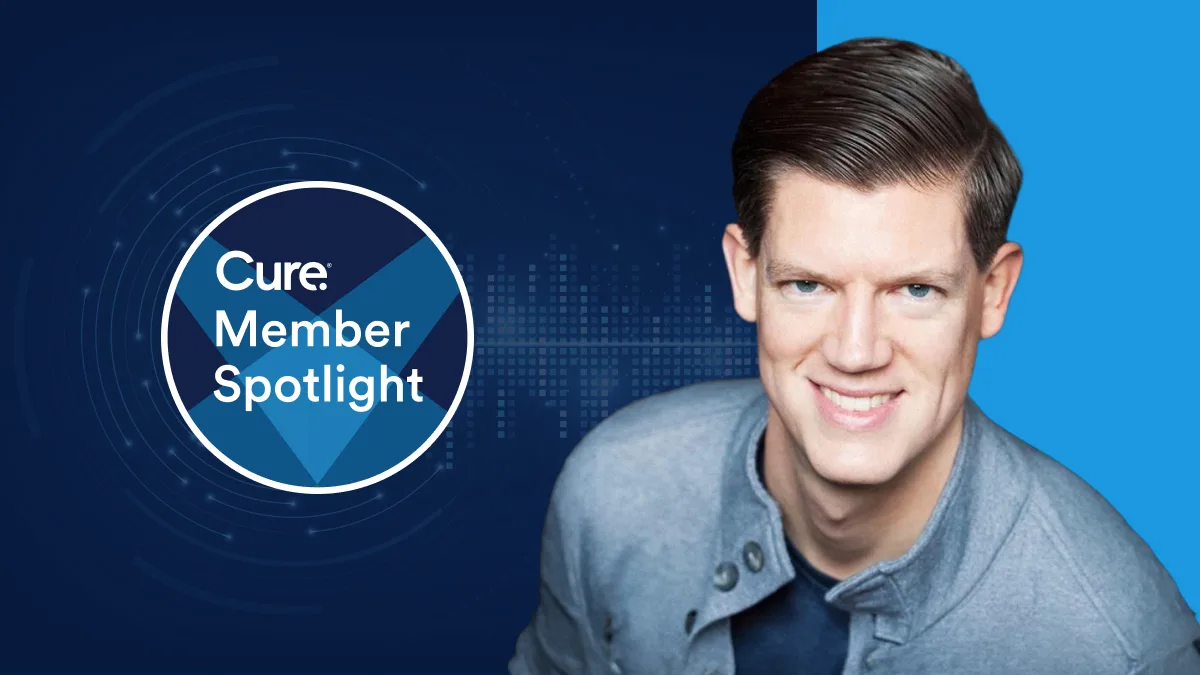
Keegan Bailey, Founder and CEO of Navaste Health, takes on problems that no single insurer, hospital, or research team can solve alone, including a maternal health study he’s helping turn into a company.
By the 20th cold email with no response, most people would give up. Keegan Bailey kept going.
He was trying to connect with a potential client. On the 25th email, the person finally replied, and two conversations later he had a contract.
That kind of persistence has become something of a calling card for Bailey, the Founder and CEO of healthcare consulting firm Navaste Health.
Bailey works with healthcare organizations that have a problem they can’t solve on their own. That could mean turning a promising clinical research project into a business, figuring out how to make a new care model work, or bringing together organizations that have historically operated in silos.
“Healthcare is so interconnected,” Bailey said, referring to the insurers, doctors, hospitals, and other organizations that make up the healthcare system. “You have to create a strategy that transcends beyond them.”
For Bailey, healthcare’s complexity is part of what makes the work so interesting: There are always new connections to make, problems to solve, and ideas to bring together.
The Problems That Fall Between Institutions
In college, Bailey studied political science, but a sociology course on healthcare got him hooked on the “sick role,” a concept from sociologist Talcott Parsons. Bailey took it as the idea that patients had traditionally been expected to take a more passive approach in their care.
What struck him even more was how much the healthcare system seemed to be built around treating illness rather than preventing it.
“As a social scientist, I’m like, wow, there’s so much work to do here,” he said.
Bailey kept coming back to the same question: How do you solve problems that don’t belong neatly to any one organization?
That question ultimately led him in 2016 to found Navaste Health, a firm that works in the space between institutions.
“The failures and the opportunities are between things and between organizations and between companies,” he said.
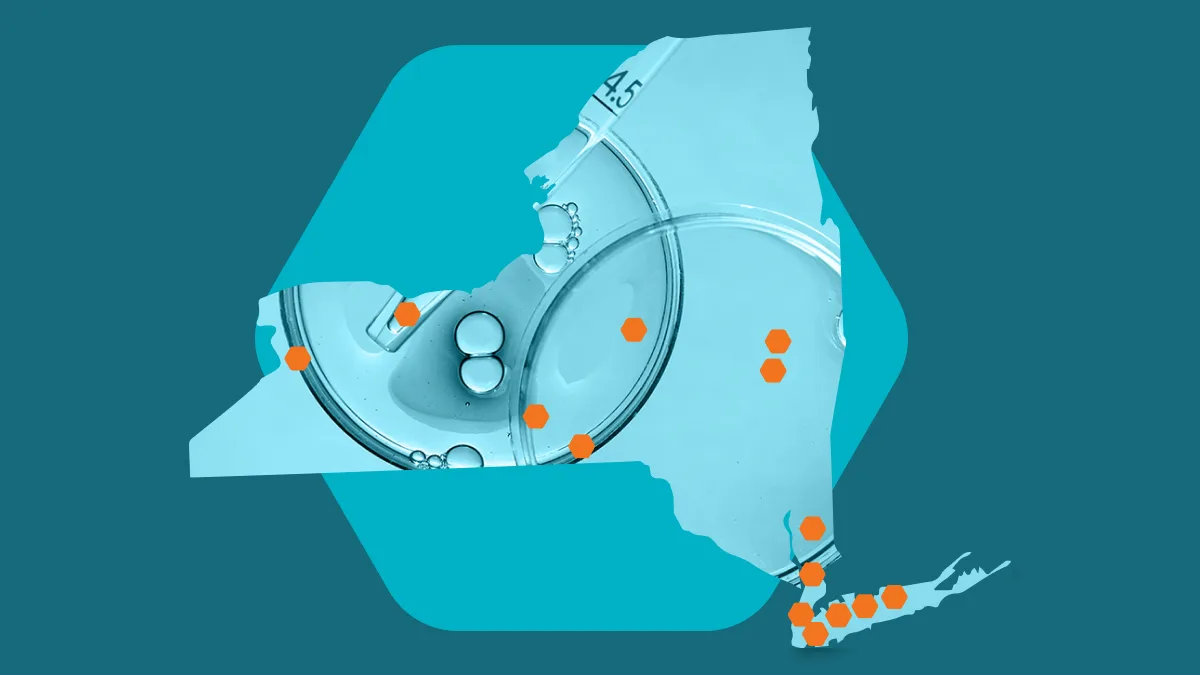
One example, Bailey said, is a current project with a practicing obstetrician and researcher who has a large NIH grant to improve care for mothers at high risk of hypertension and related cardiometabolic complications.
Hypertensive disorders affected about one in seven US deliveries from 2017 to 2019 and are one of the leading causes of pregnancy-related death in the United States, according to the CDC.
The project’s intervention was already showing promising results in a research setting, Bailey said. Then he saw an opportunity to take it further.
“It was kind of this moment a year and a half ago. I’m like, ‘I know you have a study and you have this cool project. Did you ever think about it becoming a company?’” he said.
Today, he’s working to help turn the research project into a company that could bring the intervention to more high-risk mothers across the country.
“The reason we’re such good partners is we connect on the public health goal, but I bring the business side,” he said.
This isn’t the first time Bailey has helped build a company. He points to Acuitas Health as one of the accomplishments he’s most proud of.
He said he helped the company grow to 80 people and about $9 million in annual revenue, serving roughly 1 million patients. The now-defunct company (verify status) built products designed to make doctors’ jobs easier, including tools that helped them cut through the clutter of electronic health records and quickly find the information they needed to care for patients.
“Electronic health records were built mostly around billing, not around helping a doctor find what they need in the moment,” Bailey said. “They do a lot of good and they’re necessary, but they haven’t had the incentives to become tools that make clinicians’ jobs easier. That’s the gap we focused on: making sense of the information so doctors could find what mattered.”
The Unglamorous Side of Building Companies
Building companies has also forced Bailey to confront his own habits. Early in his career, he did a lot of micromanaging, and it eventually burned him out.
“In the beginning you have to do everything, there’s no choice,” he said.
As a company grows, that instinct has to change, particularly when it comes to knowing when to step back and delegate.
“What’s taken a lot of practice for me is figuring out where that transition is,” he said.
Bailey runs Navaste alone, so he handles everything from scoping and selling deals to executing them and, at times, serving as an interim executive for clients. Running a business requires a willingness to take on the less glamorous parts of the job, too.
“It takes a special type of person and dedication and sacrifice to get it done,” he said. “Until you’re in it doing it, and doing the hard work of fundraising and hiring and all those things, and cleaning the bathroom, and working off the cardboard box, right? I’ve done all those things.”
That same mindset helps explain Bailey’s persistence. Remember those 25 cold emails? When asked how many unanswered emails he would have been willing to send before giving up, he said, “I don’t think there’s a limit.”
For Bailey, solving a difficult problem isn’t always about pushing harder on the same approach. Sometimes it means stepping back, bringing in a different perspective, and figuring out who needs to be at the table.